





Recipes
Ndolè: traditional recipe, origin and ingredients
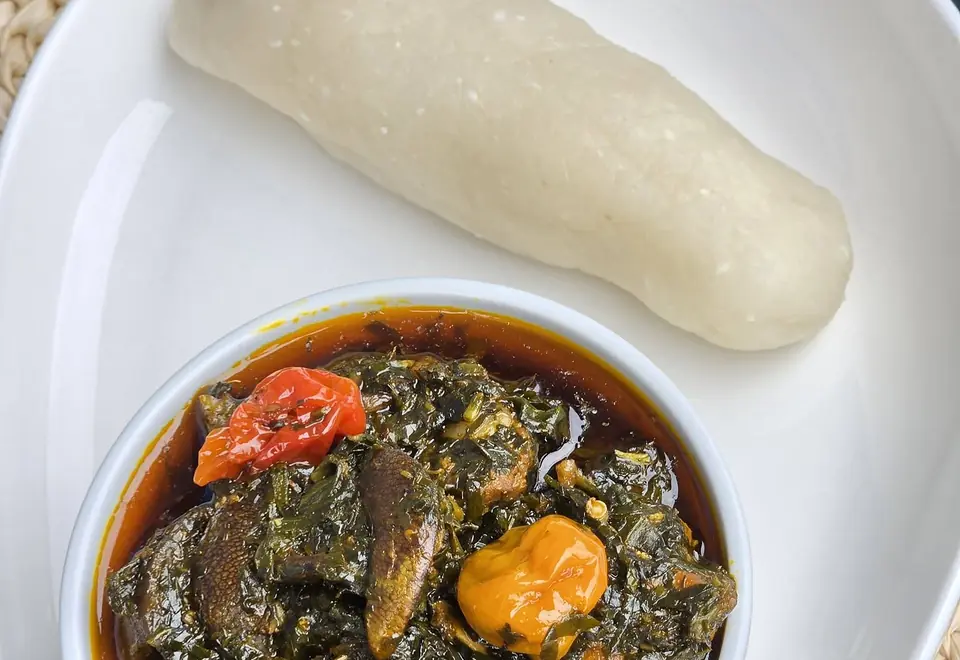
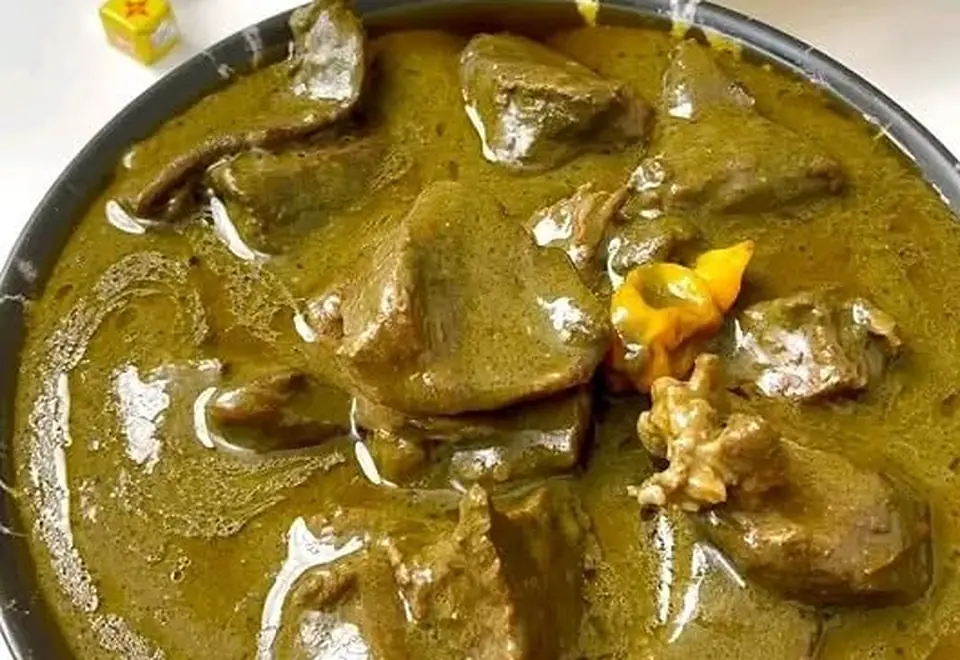
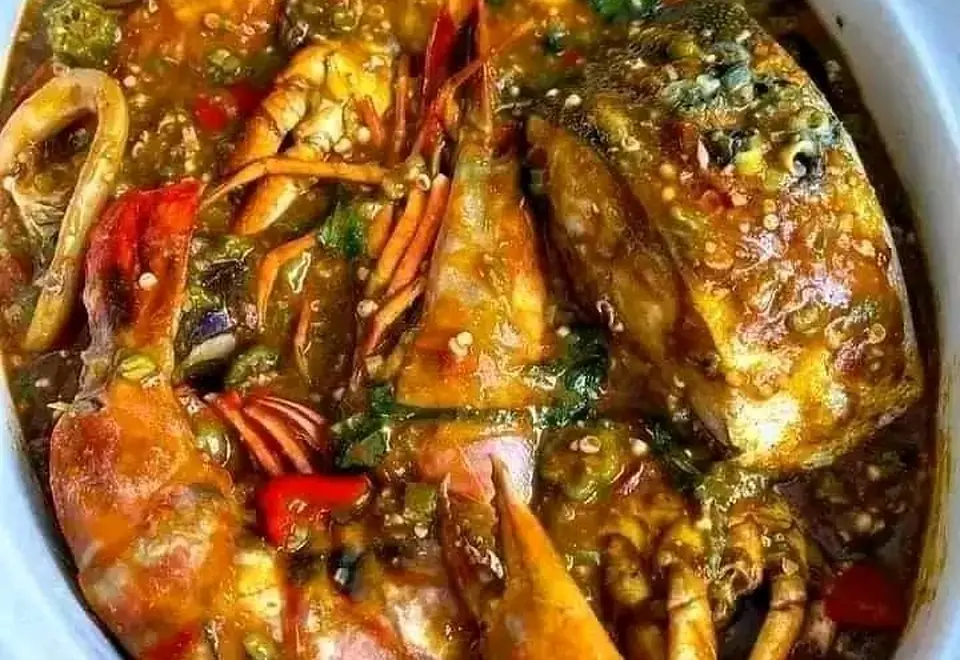
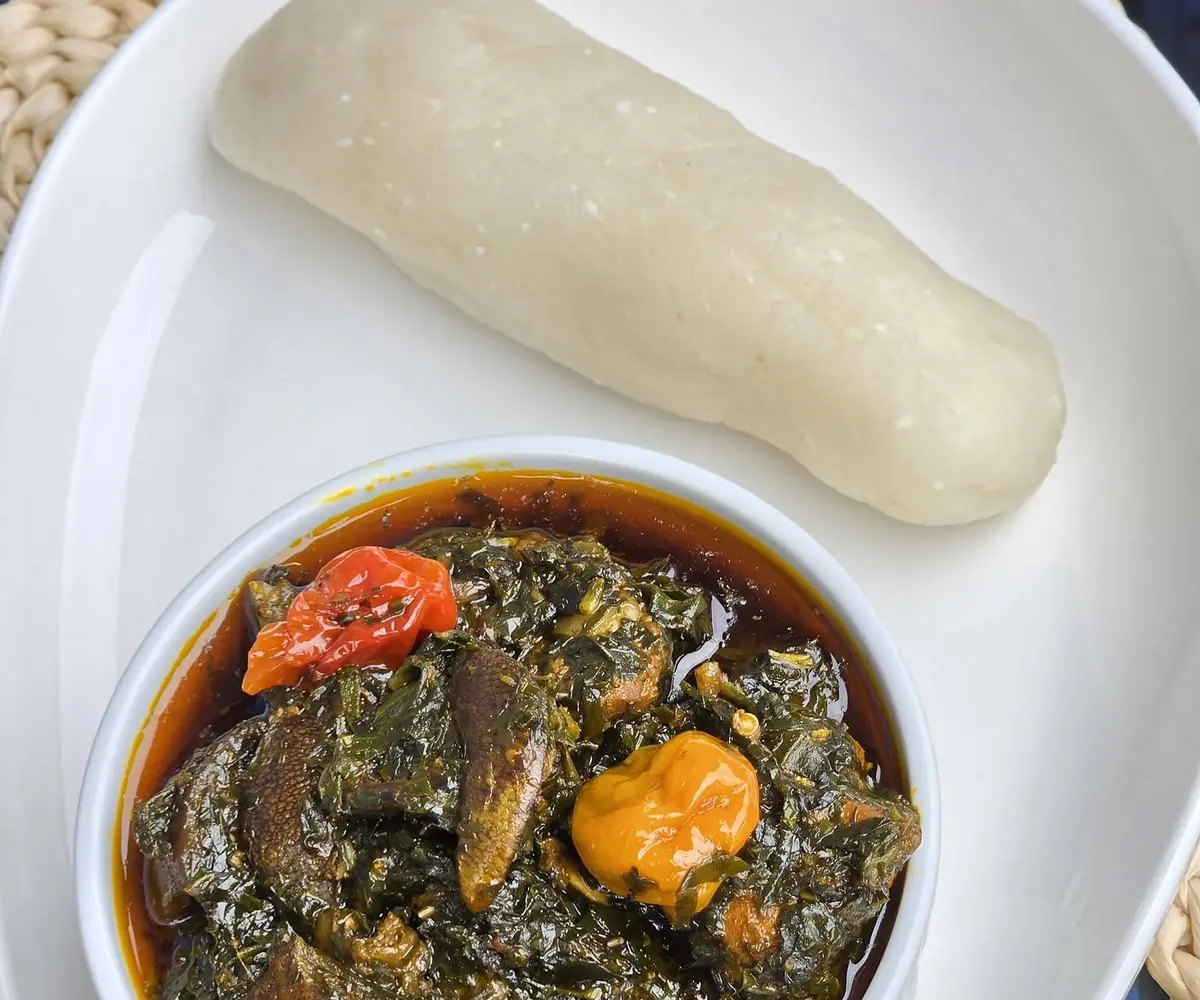
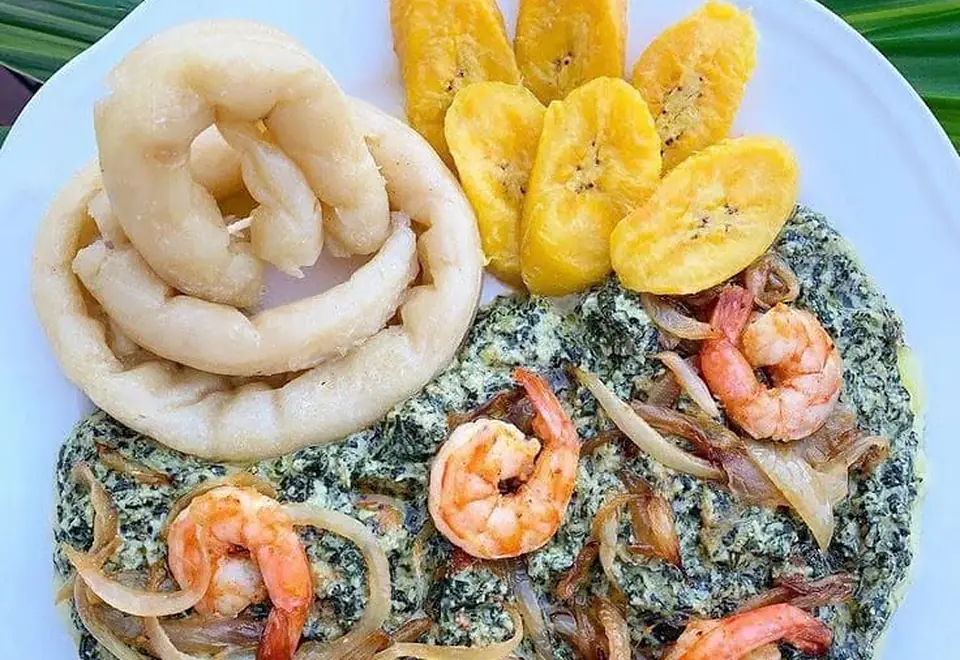
Ndolè is often called Cameroon’s national dish. It comes from the Sawa people of the coast around Douala and pairs bitterleaf (Vernonia), washed…
Next shipment departs Saturday · order by Wednesday · closes in —
Free delivery from €99.00 in Europe · $160.99 in North America

Recipes, stories and guides to Cameroonian foods, region by region.
144 articles
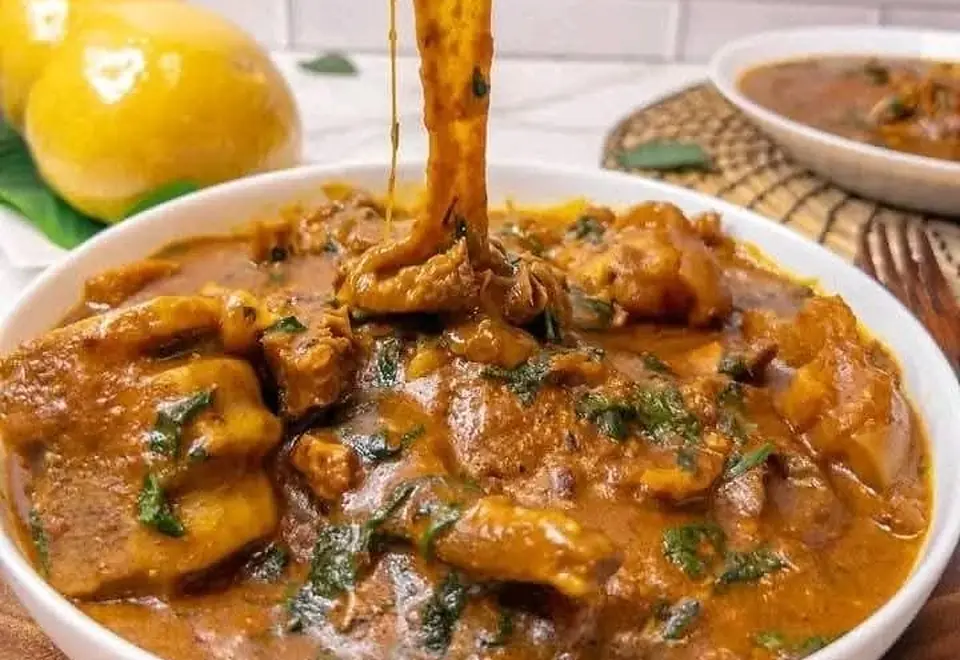
Ndolè is often called Cameroon’s national dish. It comes from the Sawa people of the coast around Douala and pairs bitterleaf (Vernonia), washed…
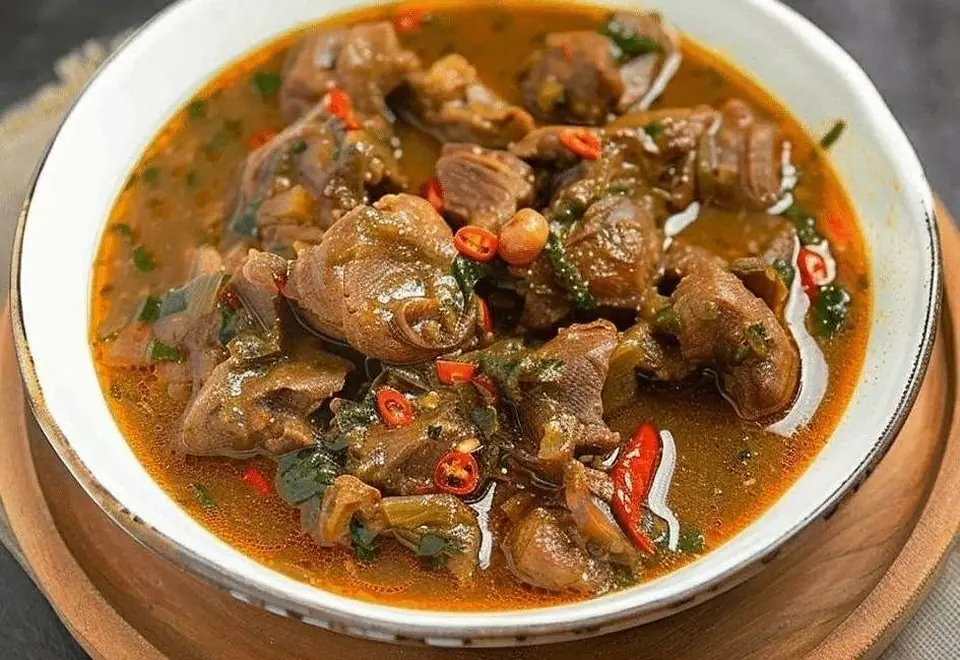
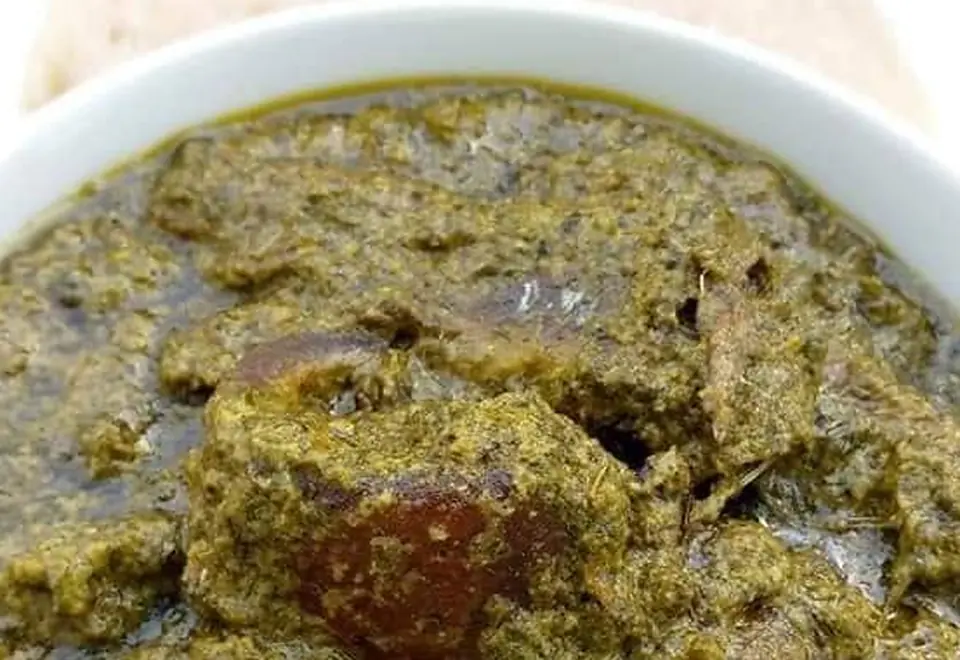
Mbongo tchobi is the great black stew of the Bassa people, between Édéa and the Sanaga-Maritime. Its deep colour comes from spices that are…
Ndomba is a way of steaming food in leaves that is popular all along the coast. The fish, coated in a spice paste, cooks in its own juices inside…
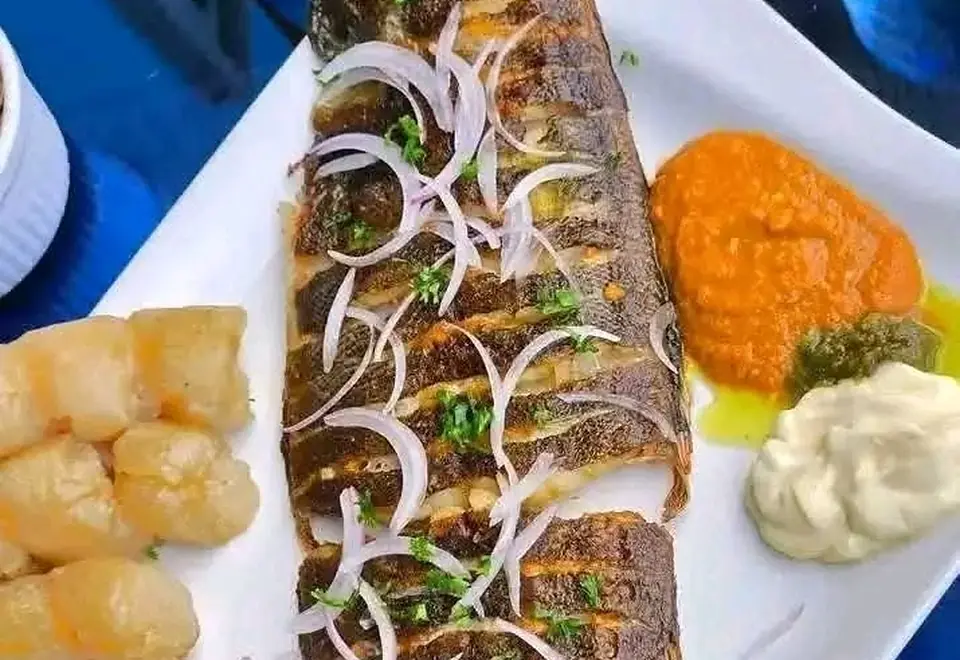
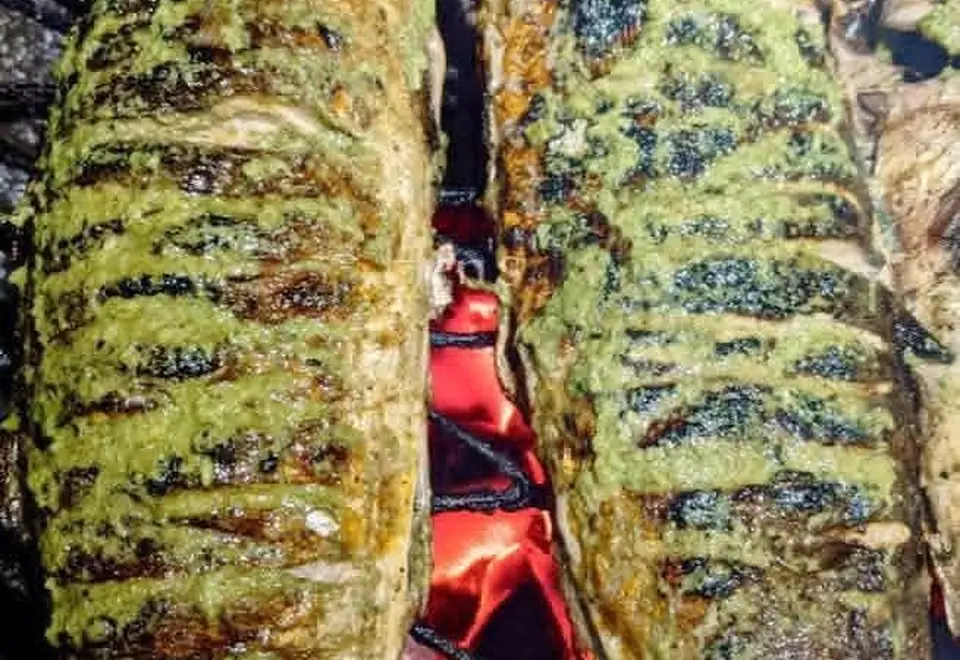
Grilled fish is the star of Douala’s nightlife. At roadside grills and along the Wouri river, it is marinated in spices, grilled over charcoal and…
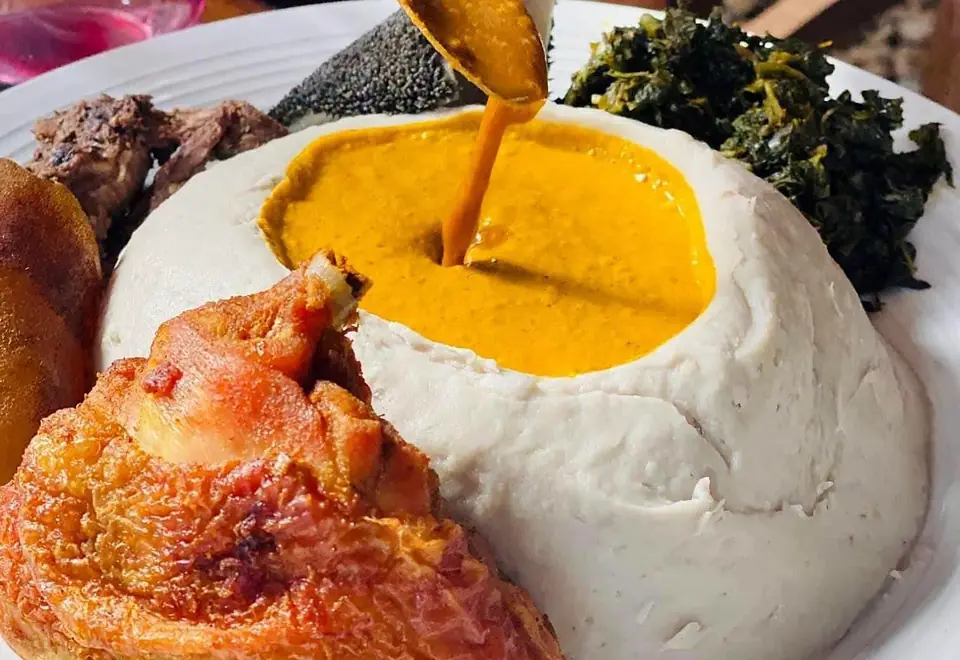
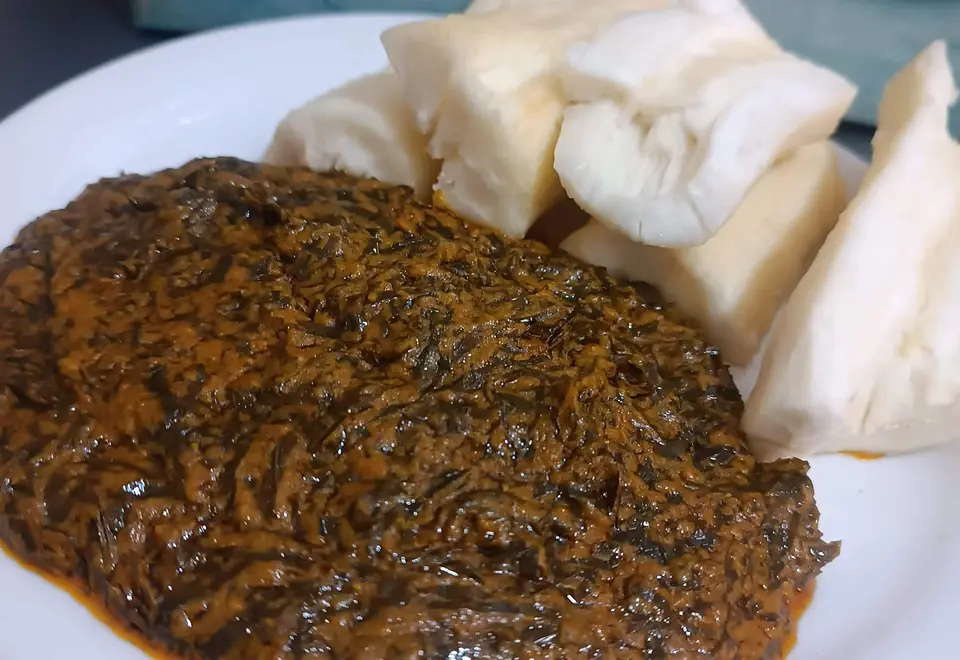
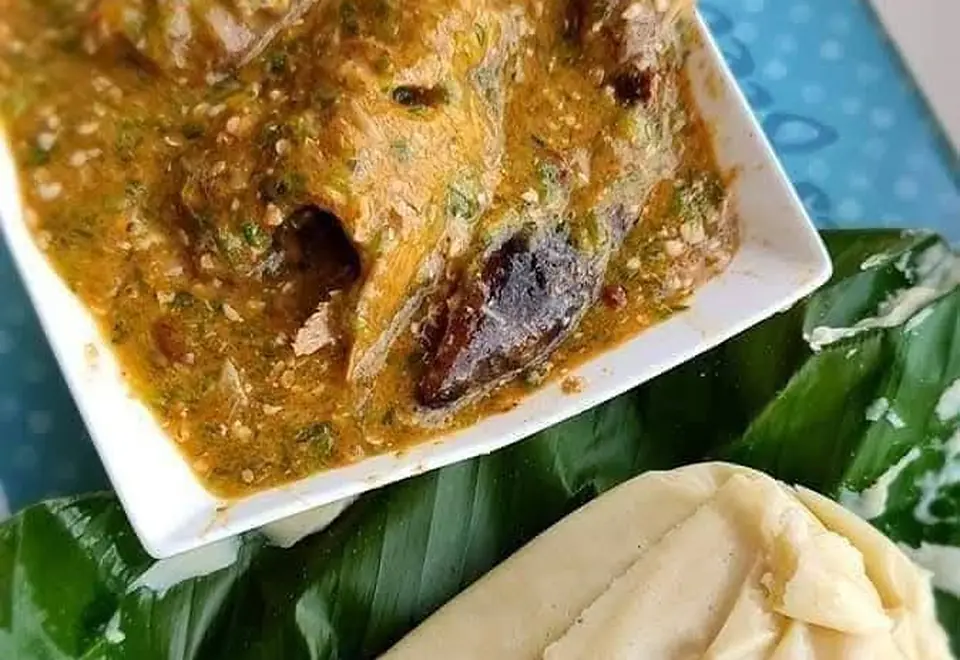
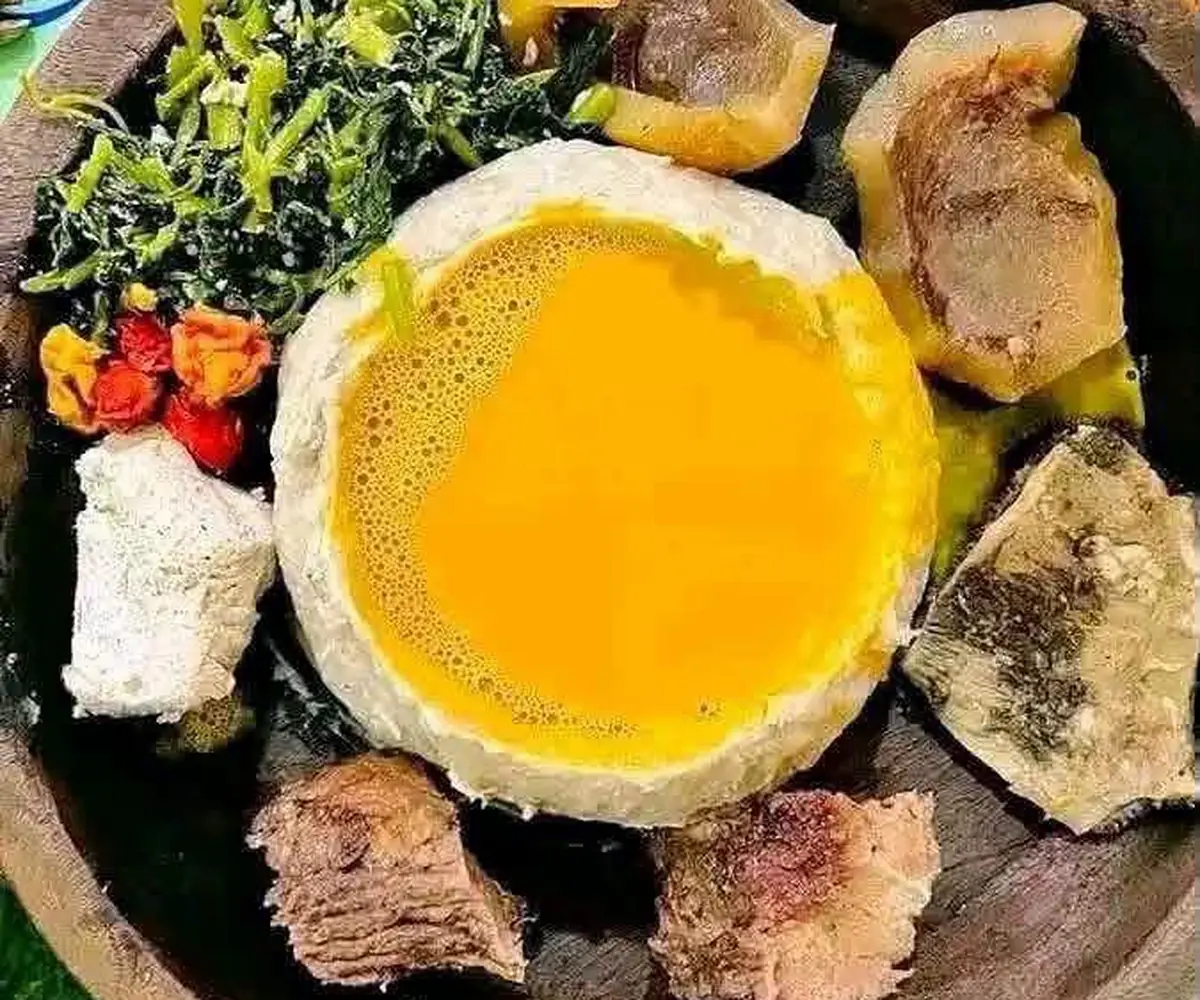
Pounded taro with yellow soup is a celebration dish from the western Grassfields. Smooth, elastic pounded taro holds a bright yellow soup made by…
Kondrè is the plantain stew of the Bamiléké in the West. Green plantain cooks slowly with meat, often goat, in a thick sauce scented with calabash…
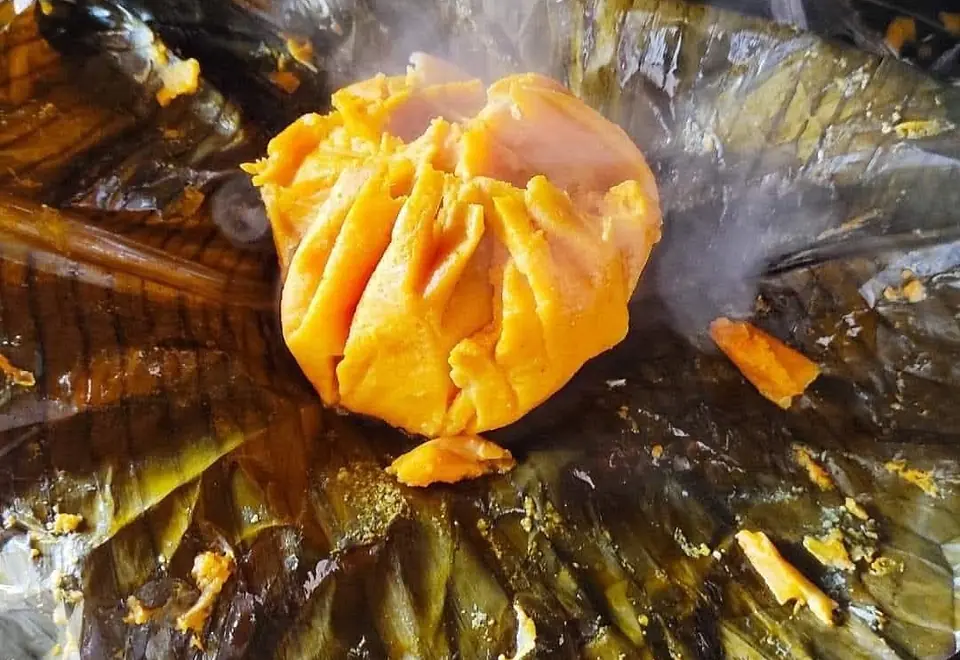
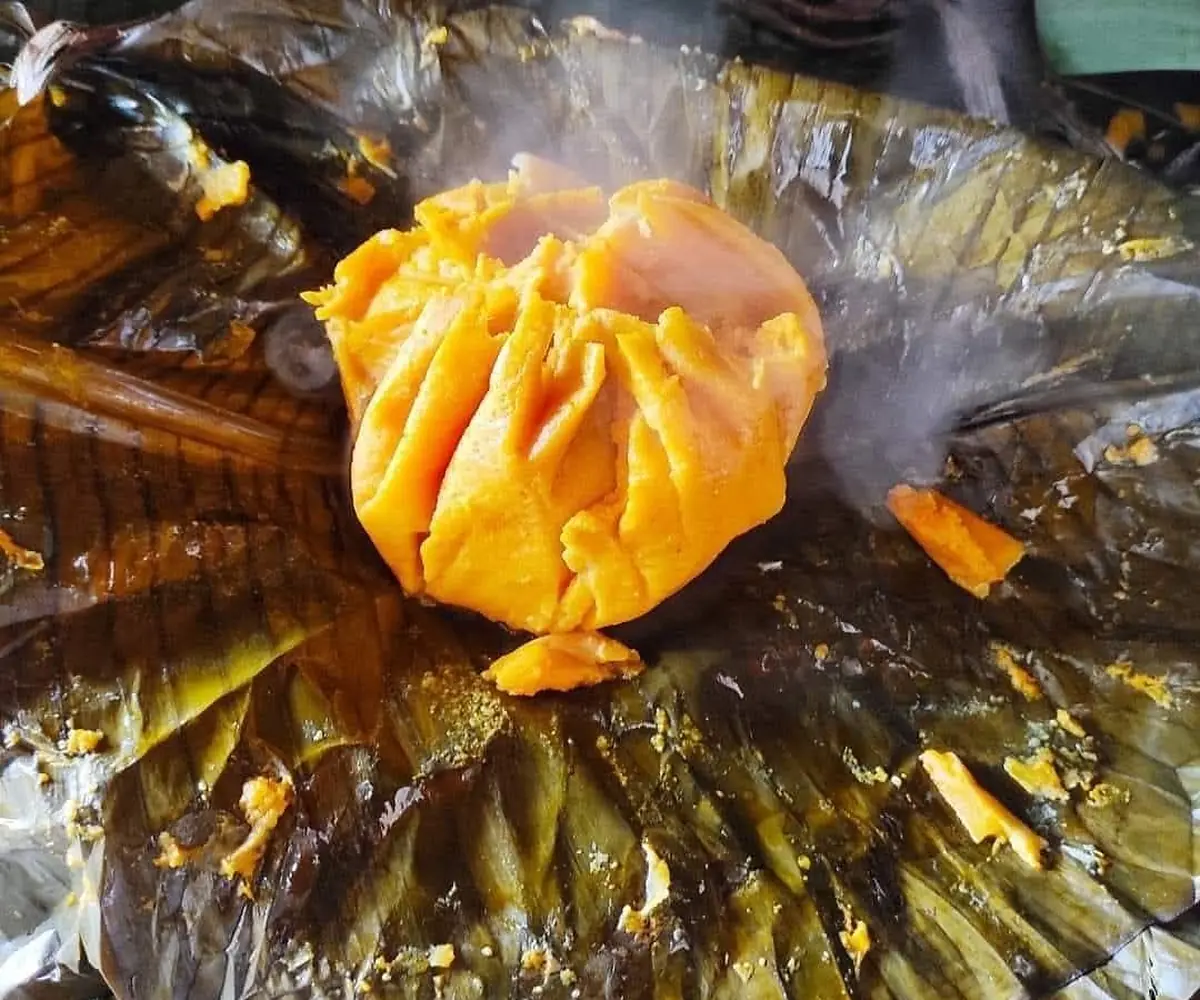
Koki is a cake of blended black-eyed peas enriched with red palm oil and steamed in banana leaves. Orange, soft and gently spicy, it is eaten all…
Nkui is a slippery soup made from barks and spices, emblematic of the Bamiléké. It is traditionally cooked for a woman who has just given birth,…
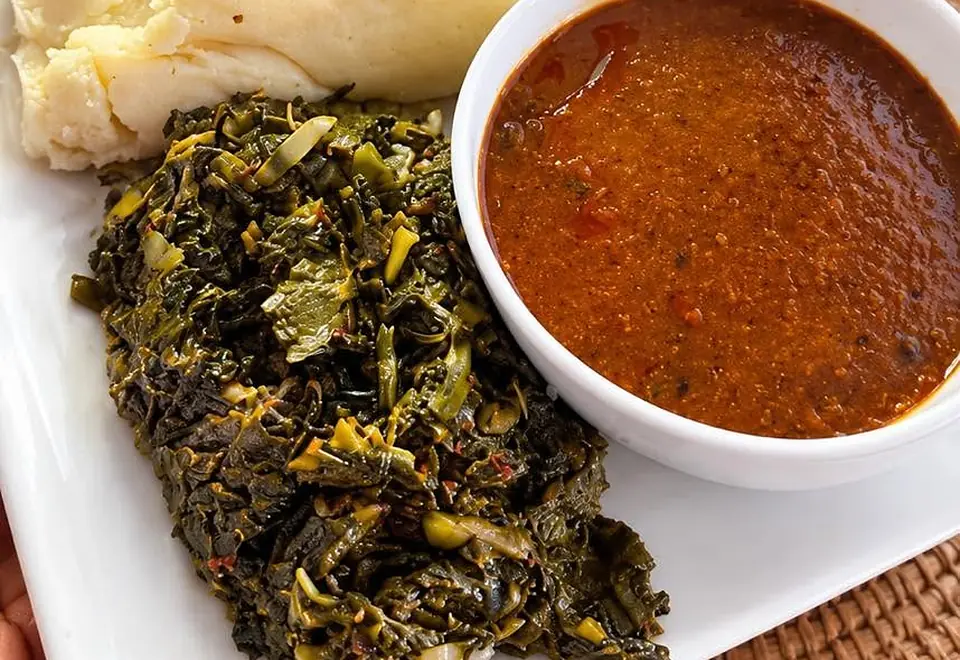
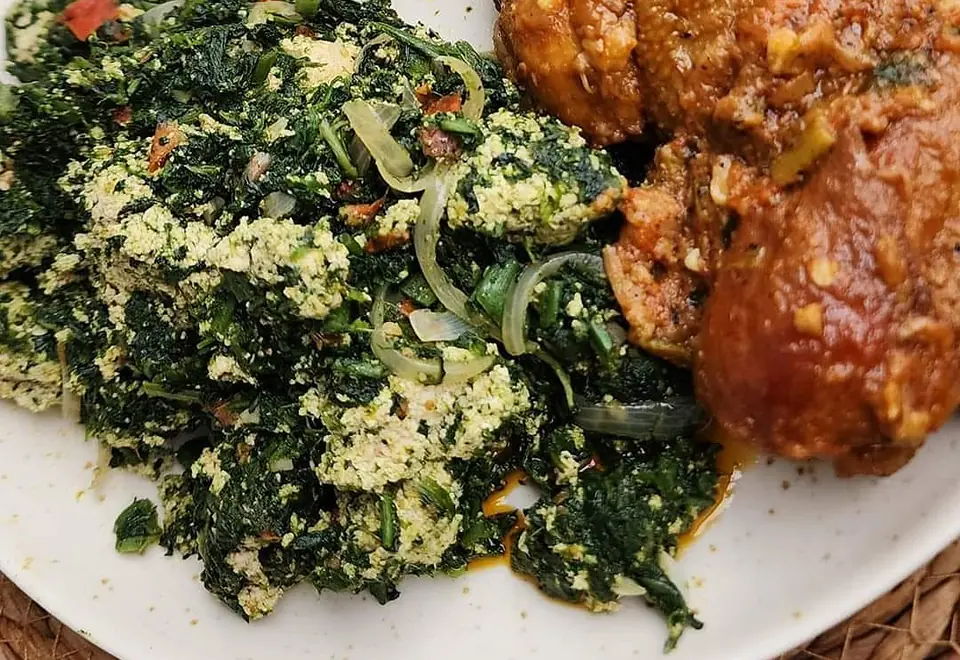
Ndjapche is a sauté of leafy greens in red palm oil with dried shrimp, much loved in the West. Quick and simple, it is an everyday dish that goes…
Pilé de pommes is a specialty of the Menoua around Dschang, potato country. Potatoes and beans are pounded together with red palm oil into a…
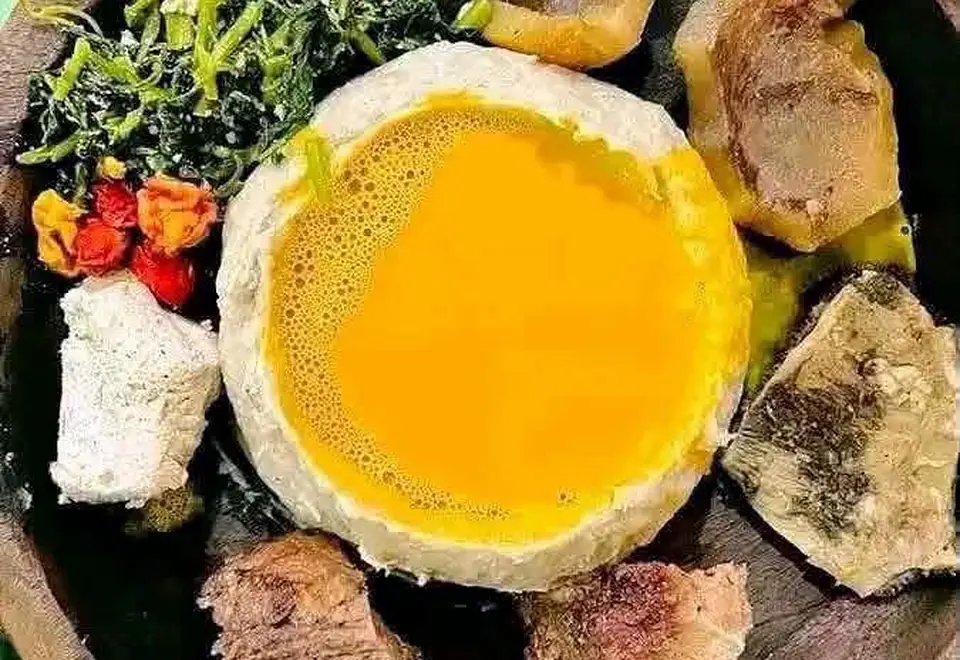
Achu is the signature dish of the anglophone North-West. Pounded taro shaped into a dome holds a yellow soup of palm oil and potash, served with a…
Njama-njama is the North-West’s name for huckleberry leaves. Sautéed with onions and tomatoes and served with corn fufu, they make the region’s…
Khati khati is chicken grilled and then simmered in red palm oil, a specialty of the Kom people in the North-West. Smoky from the charcoal and…
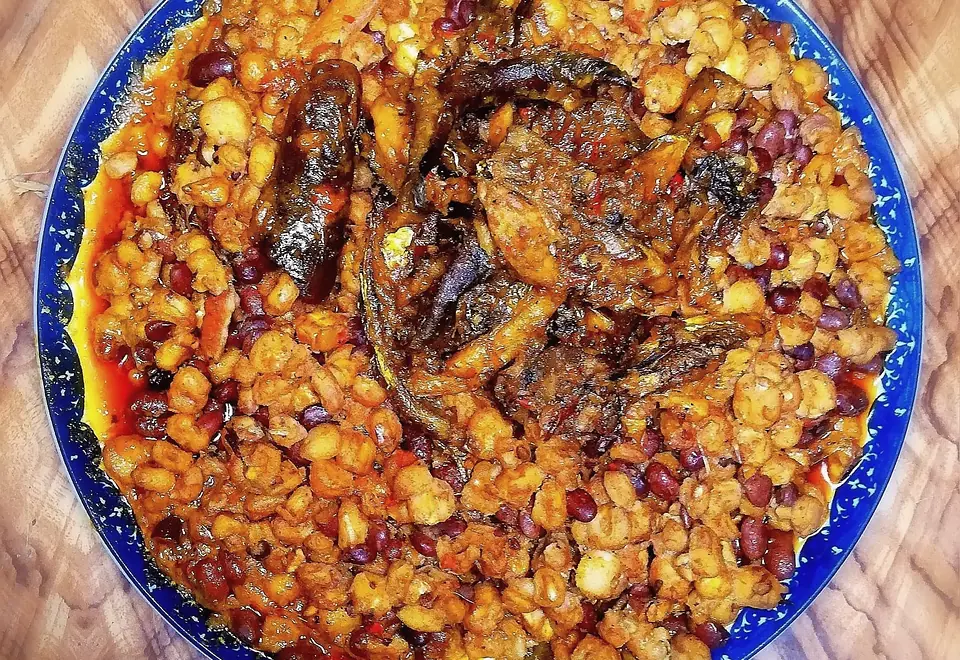
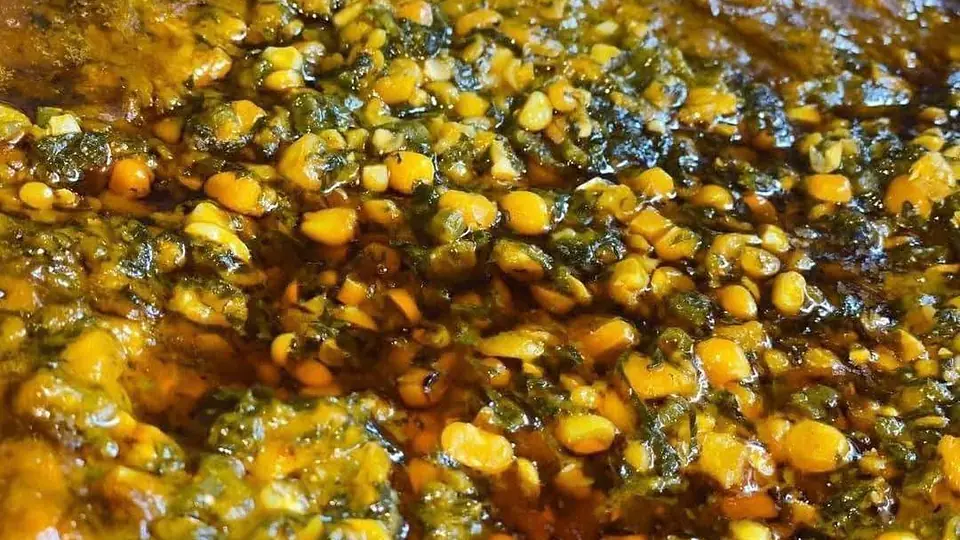
Corn chaff is a mix of corn and beans simmered in red palm oil, popular in the North-West and the West. It is a cheap, hearty, comforting dish…
Eru is the flagship dish of the South-West, especially among the Bayangi of Mamfe. Finely sliced Gnetum leaves cook with waterleaf and plenty of…
Ekwang is a South-West dish: grated cocoyam rolled by hand in cocoyam leaves, then simmered in red palm oil with crayfish and smoked fish. It…
Kwacoco banga is the dish of the Bakweri, at the foot of Mount Cameroon. Kwacoco, grated cocoyam steamed in leaves, is served with banga soup, a…
Pepper soup is a fiery broth made with fish, meat or chicken, loved all over Cameroon and especially in the South-West. Its spices (grains of…
Okok is a Beti dish from the Centre made from Gnetum leaves (the same plant as eru) cooked with groundnut paste. It comes in a savoury version…
Sanga is a seasonal Beti dish, made when fresh corn reaches the markets. Corn, leaves and palm nut juice cook together into a soft, slightly sweet…
Nnam ngon, or egusi pudding, is a cake of ground melon seeds steamed in leaves and emblematic of the Centre region. Rich and fragrant, it…
Bobolo is the fermented cassava stick of the Beti people, wrapped in leaves. With a homemade groundnut sauce and meat or fish, it is one of the…
Nnam owondo is a cake of ground groundnuts steamed slowly in leaves, a specialty of the South. Dense and filling, it is shared in slices with…
Andok sauce, known as ogbono soup across West Africa, is made from the ground kernels of the bush mango (Irvingia). Slippery and silky, it is very…
In Kribi, the South’s seaside town, fish is grilled on the beach as soon as the canoes come in. A marinade of njangsa, Penja pepper and chili: the…
Kpem (or kwem) is a dish from the East made from pounded cassava leaves cooked slowly in palm nut juice. This old dish is found, under other names…
Okra soup is one of Cameroon’s favourite slippery soups. In the East it is served with firm cassava fufu; dried okra means it can be made all year…
On the Adamawa plateau, cattle country, corn fufu with okra sauce and beef is the everyday staple. Potash gives the sauce its stretchy texture.
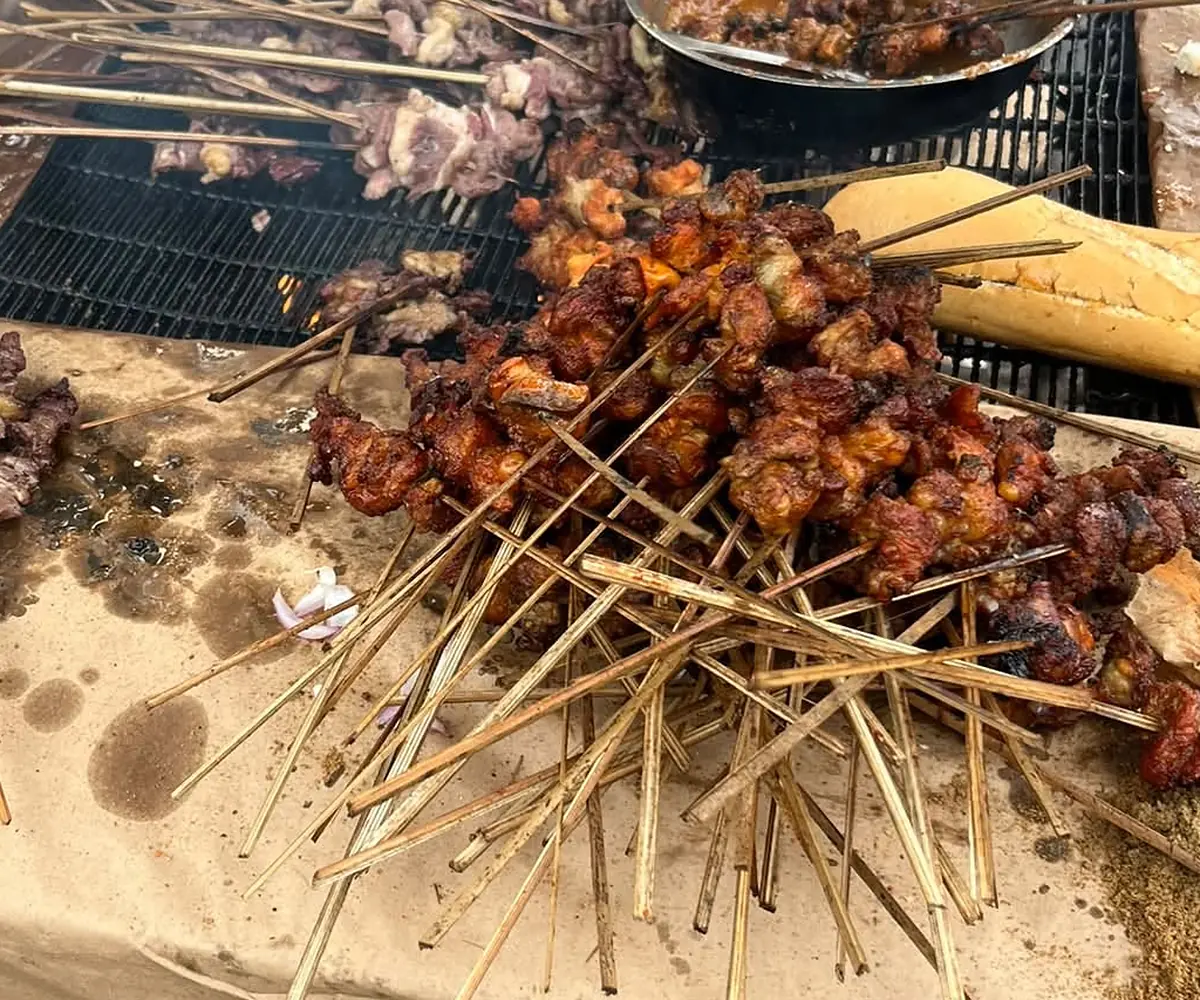
Soya are beef skewers grilled and dusted with kankan (suya) spice. Born in the Muslim north, they are now a fixture of every city in the country,…
In the North, sorghum or corn fufu is served with a tangy sauce of roselle (sorrel) leaves, thickened with groundnut paste and seasoned with…
Lalo is a slippery sauce made from jute leaves (kelen-kelen), common across the North and Far North. Quick to make, it is eaten with millet or…
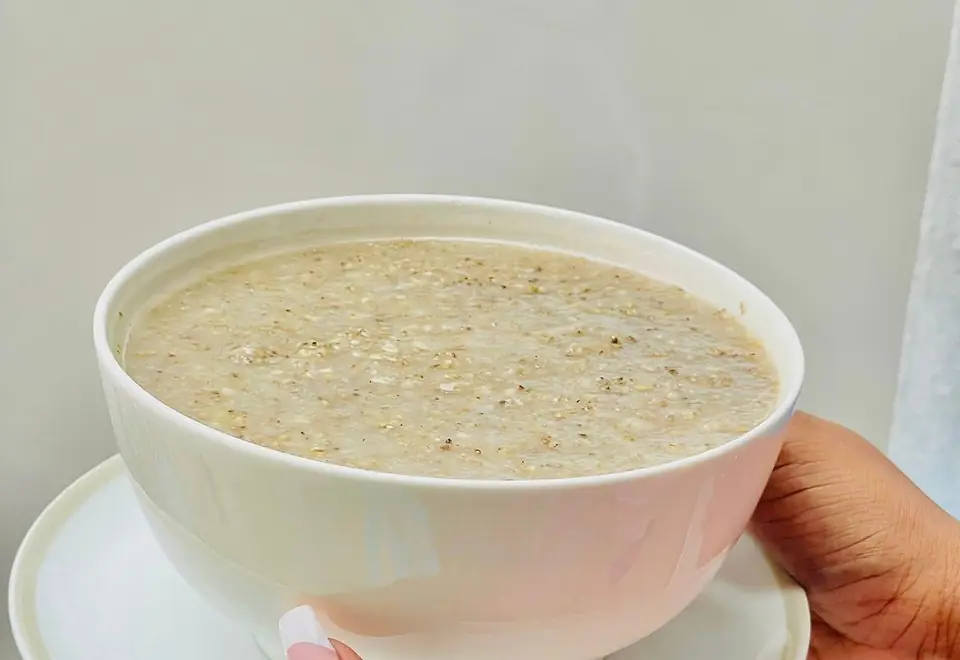
Gingery millet porridge is the breakfast of the Far North. Slightly sour and sweetened to taste, it is drunk hot in the morning or to break the fast.
In the Far North, dried baobab leaves ground to a powder make a green, silky sauce thickened with groundnut and locust beans. It accompanies…
Millet fufu with dried okra sauce is the everyday pairing of the Far North. Okra is sun-dried after harvest, keeps all year and makes a stretchy,…
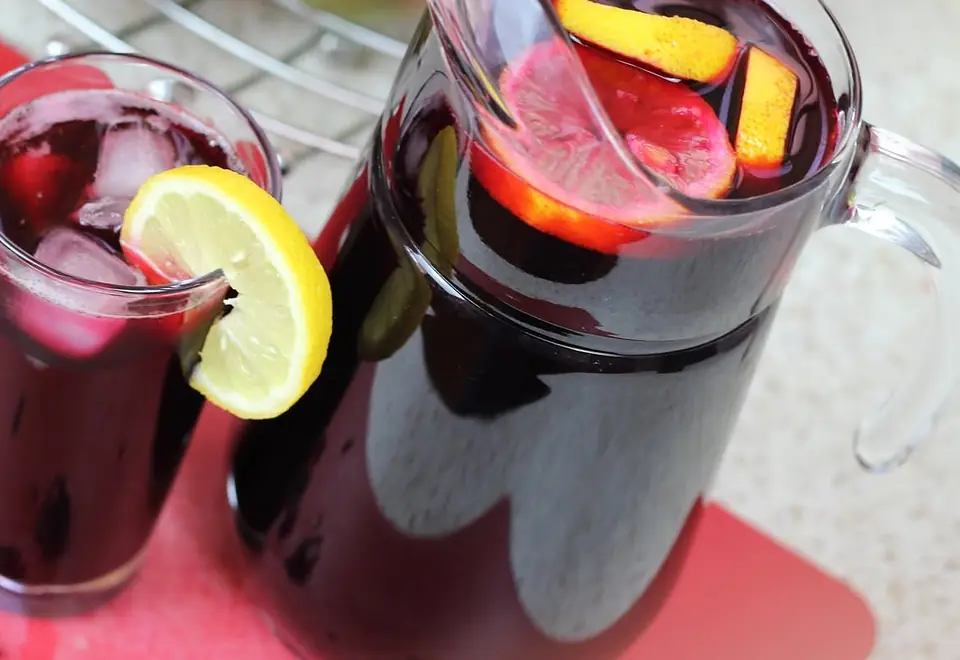
Foléré is the Cameroonian name for hibiscus (bissap). Steeped with ginger and lemongrass, it makes a deep red, tangy, refreshing drink served…
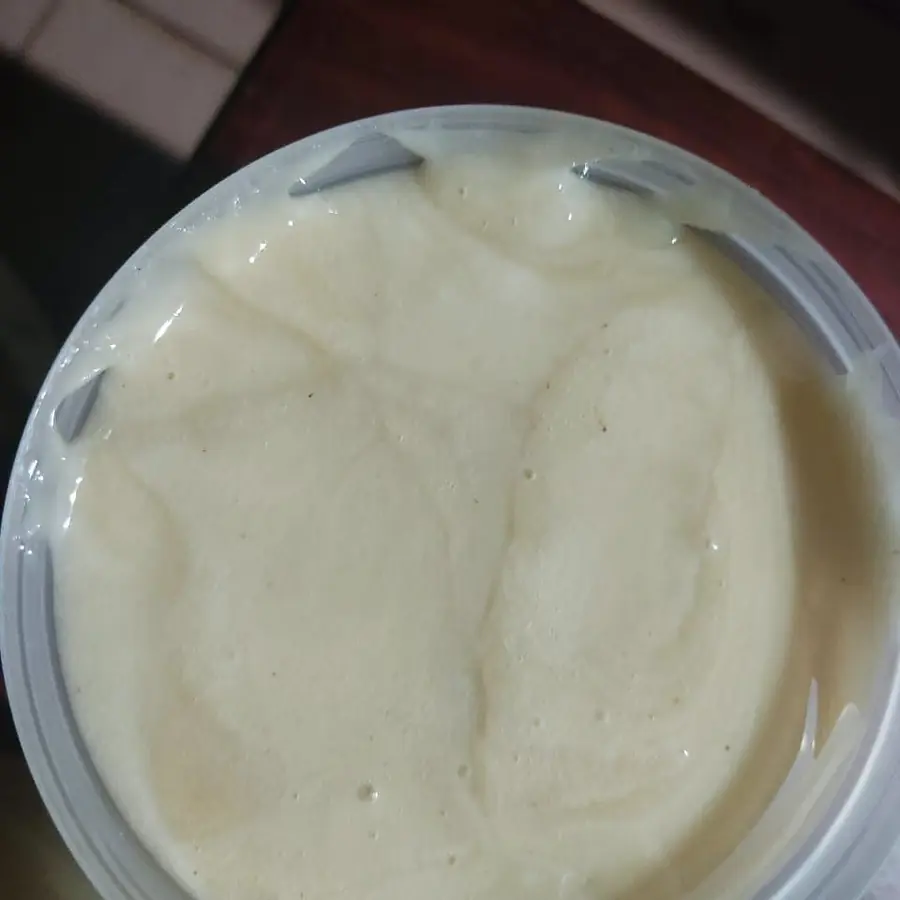
Oku white honey, from the highlands of the North-West, is protected by a geographical indication. It is creamy and pale.
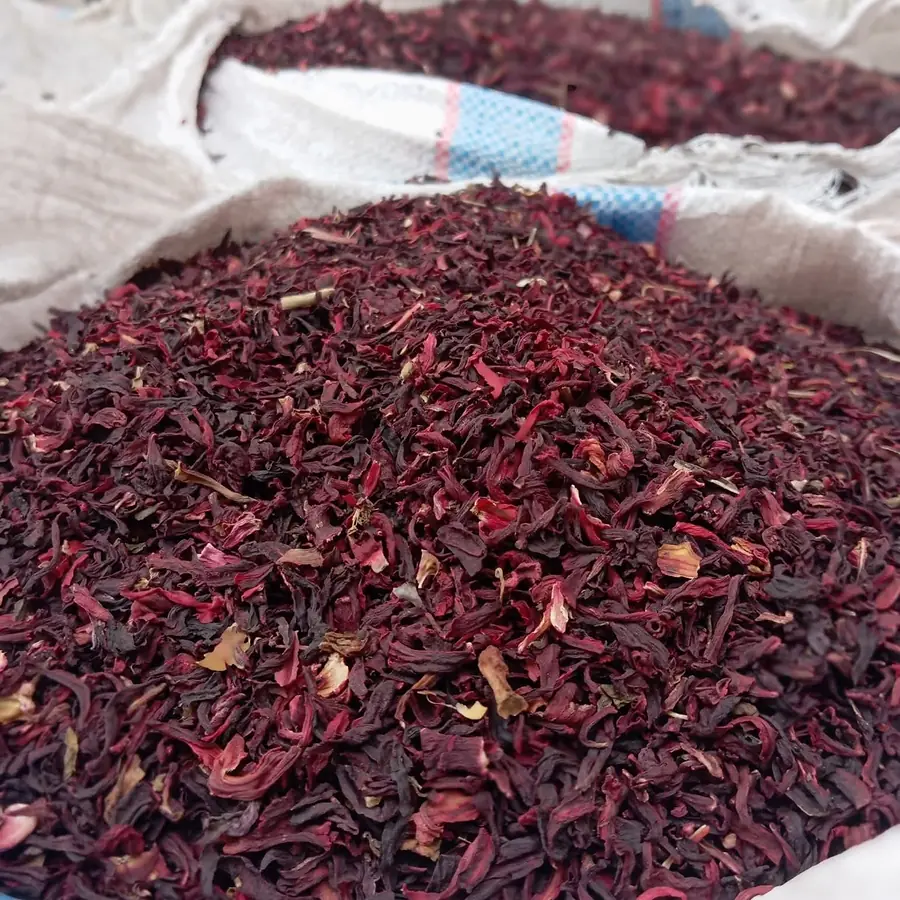
Foléré (hibiscus flowers) makes a tangy red drink served ice-cold.
Arabica coffee from the western highlands is smooth and aromatic.
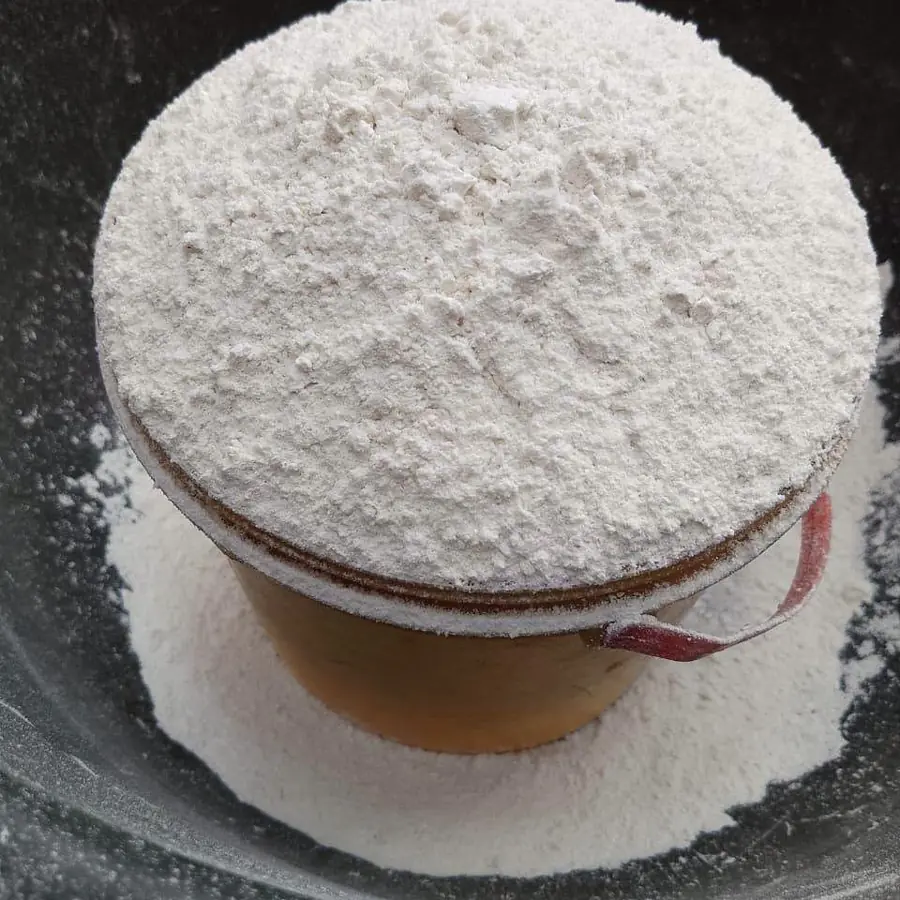
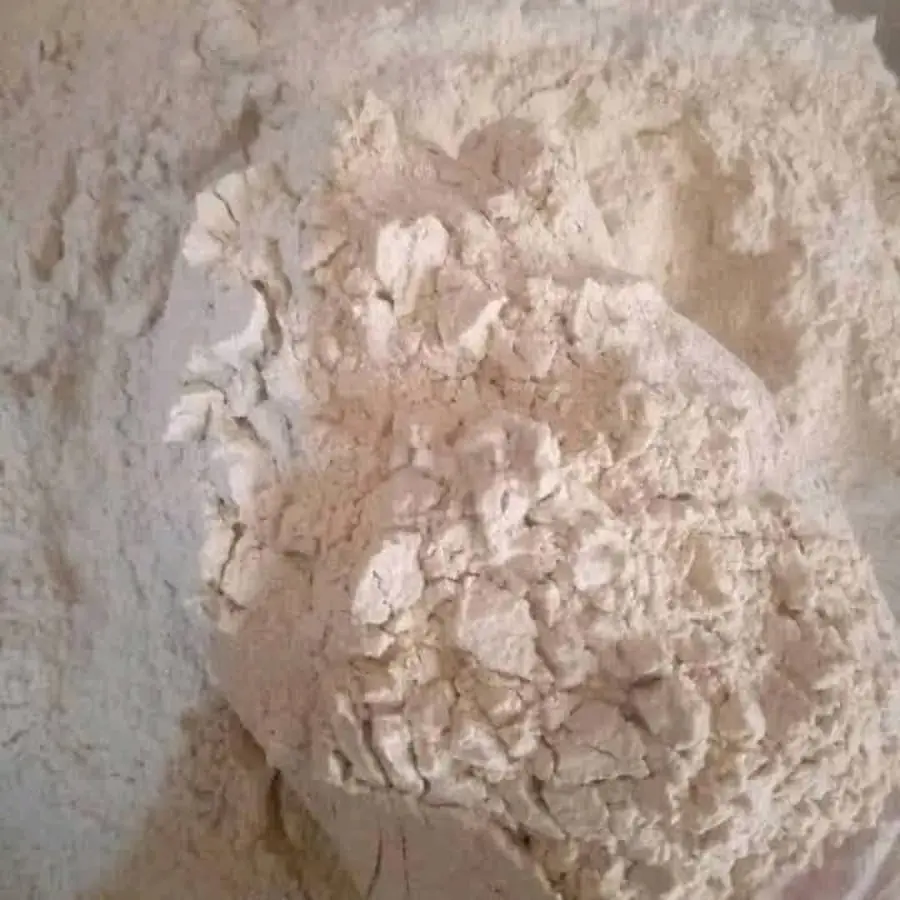
Taro flour lets you make achu and pounded taro with yellow soup without fresh taro.
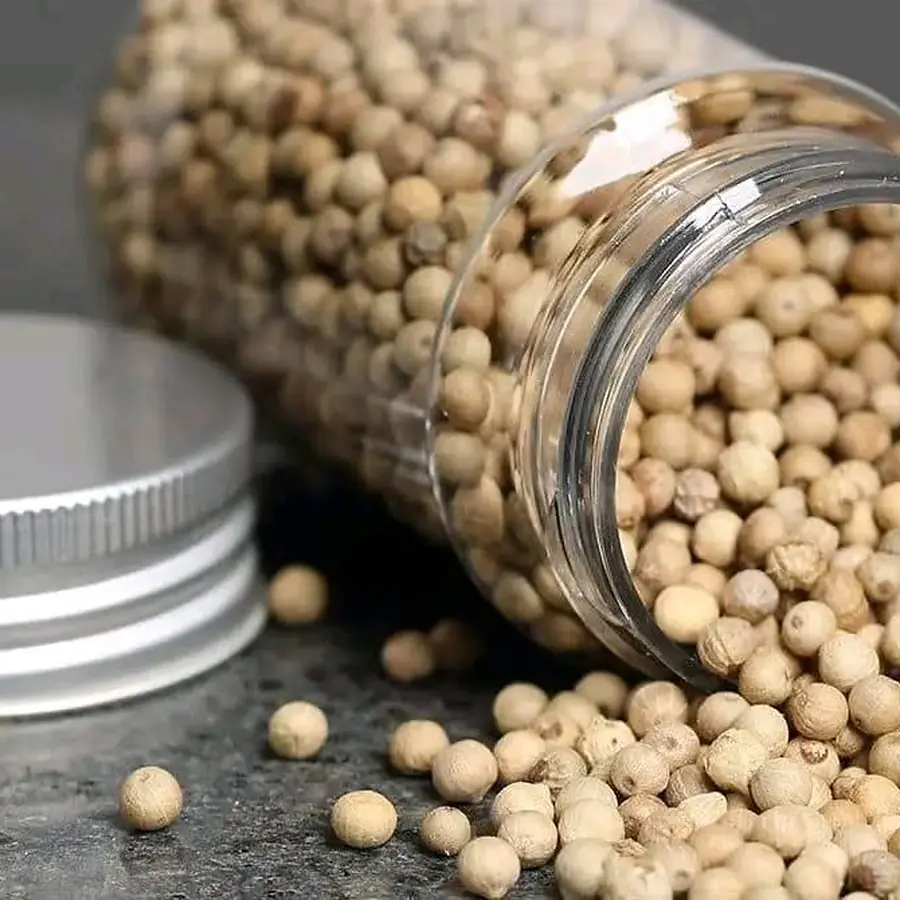
Penja white pepper grows on the volcanic soils of the Moungo. Protected by a geographical indication, it is sought by chefs for its intense aroma.
Mbongo is the roasted spice that gives mbongo tchobi its black colour and smoky taste.
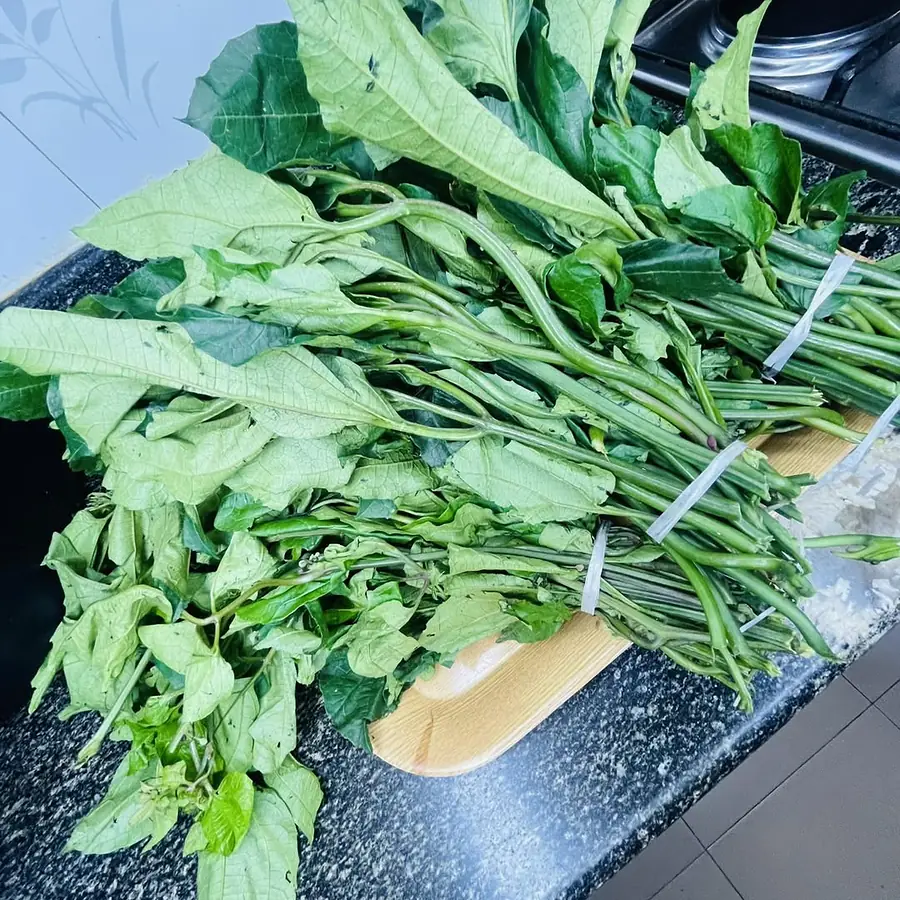
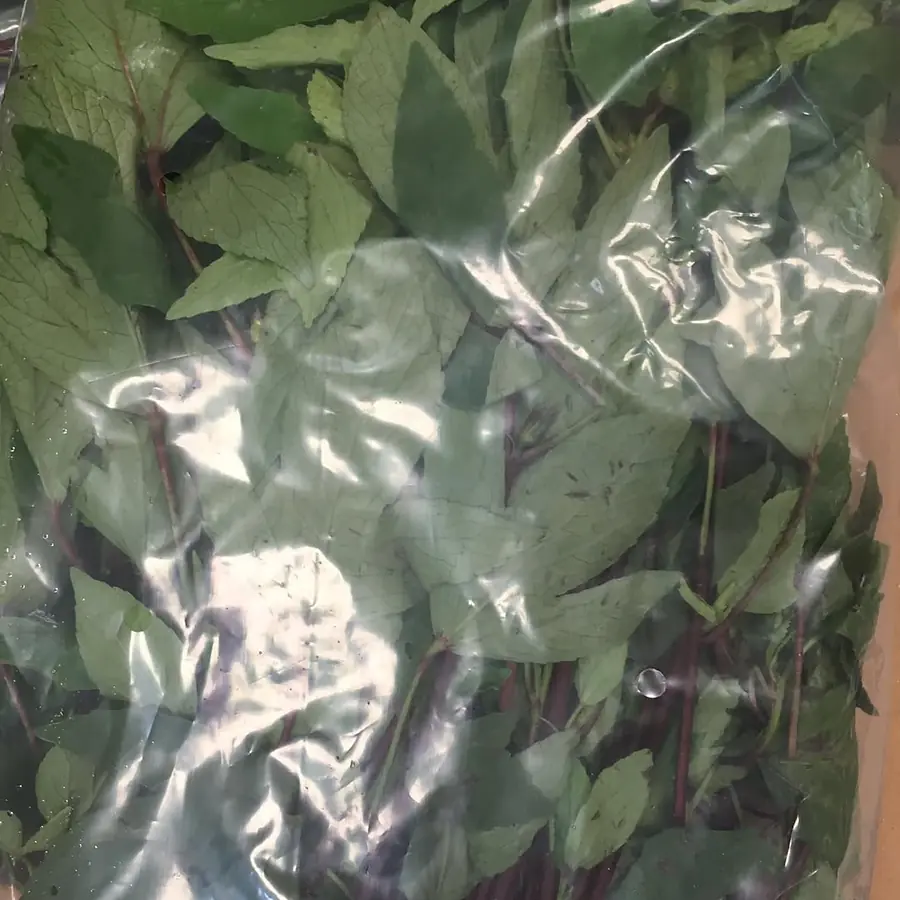
Bitterleaf (Vernonia amygdalina) is the leaf behind Cameroon’s national dish. We sell it washed, so already softened, and frozen to keep its colour.
Eru (okok) is the Gnetum leaf, finely sliced. Dried, it rehydrates in 20 minutes for eru or okok.
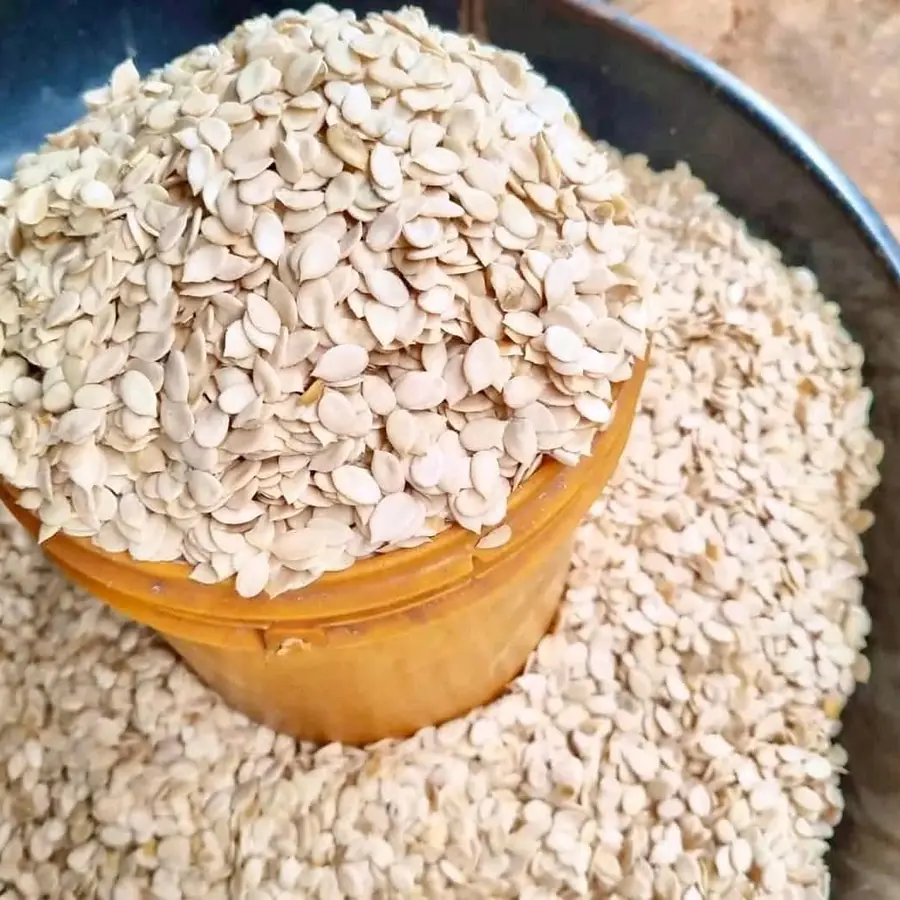
Ground egusi (melon seeds) is used for nnam ngon and egusi sauce.
Andok (ogbono) is the kernel of the bush mango. Ground, it makes a much-loved slippery sauce.
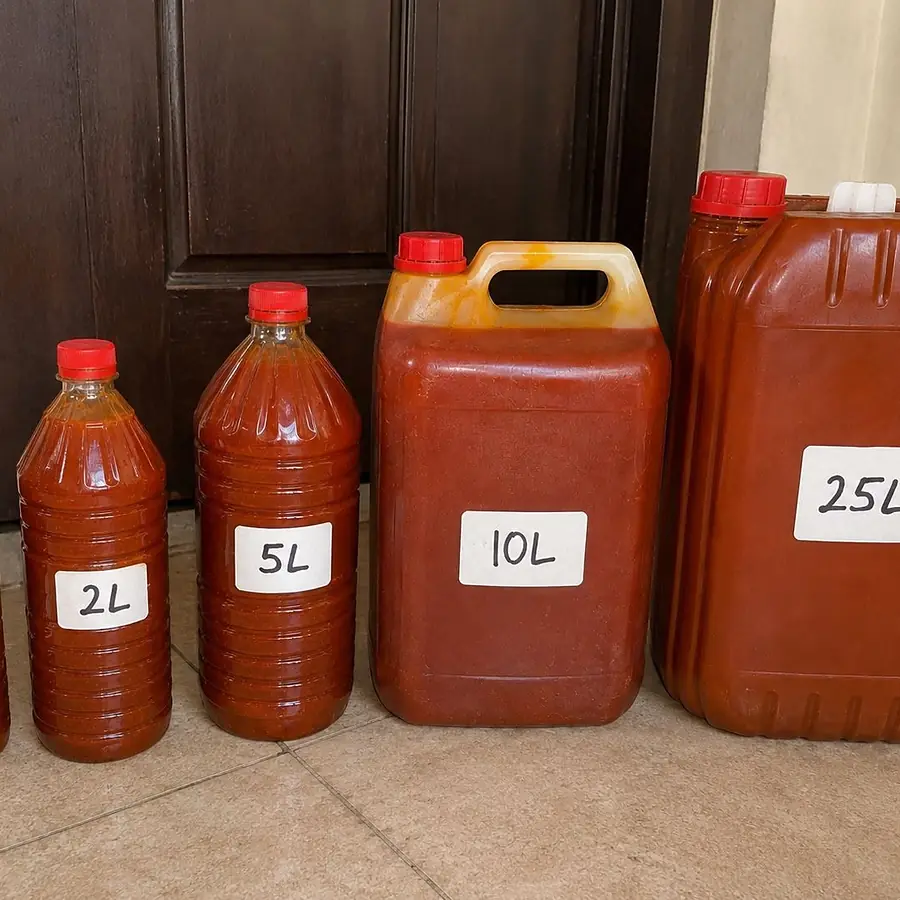
Unrefined red palm oil gives eru, achu, koki and kpem their colour and taste. Ours is guaranteed free of added dyes.
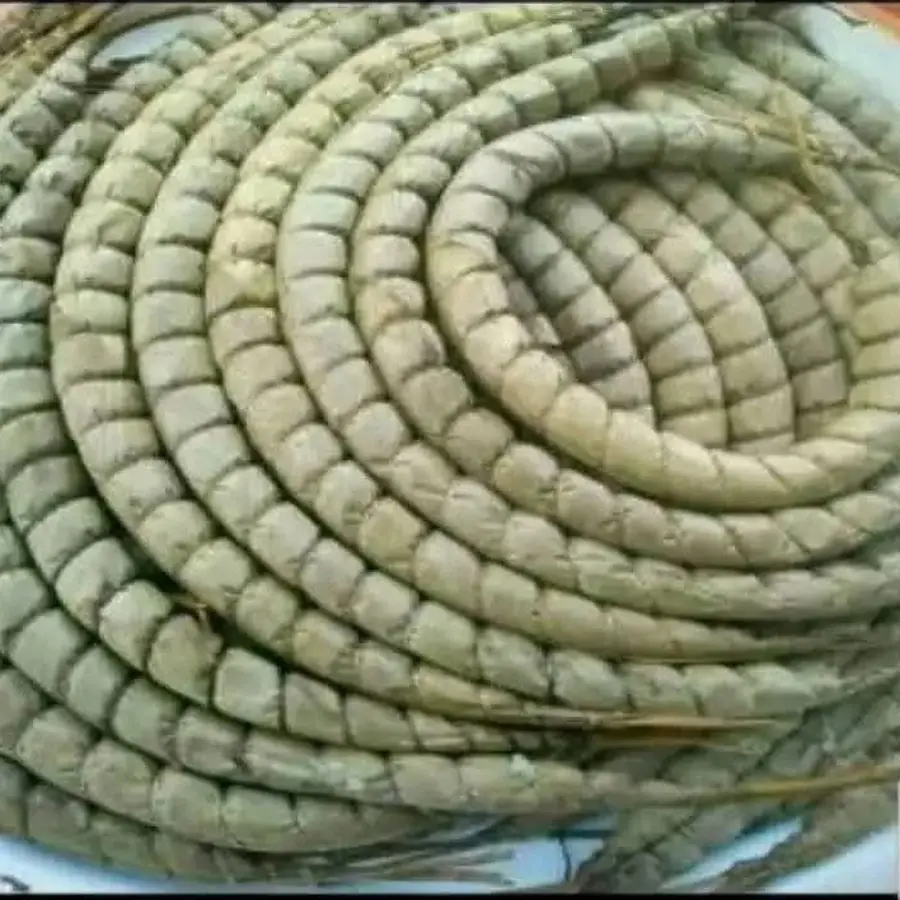
Miondo is the thin, long version of the cassava stick, a specialty of Douala and the Sawa country. It is the classic partner for ndolè and grilled…
Robusta coffee from the Littoral is strong and rich in caffeine.
Cocoa beans and powder come from the forest regions of the South and Centre.
Black tea from Djuttitsa and Ndu grows on the highlands.
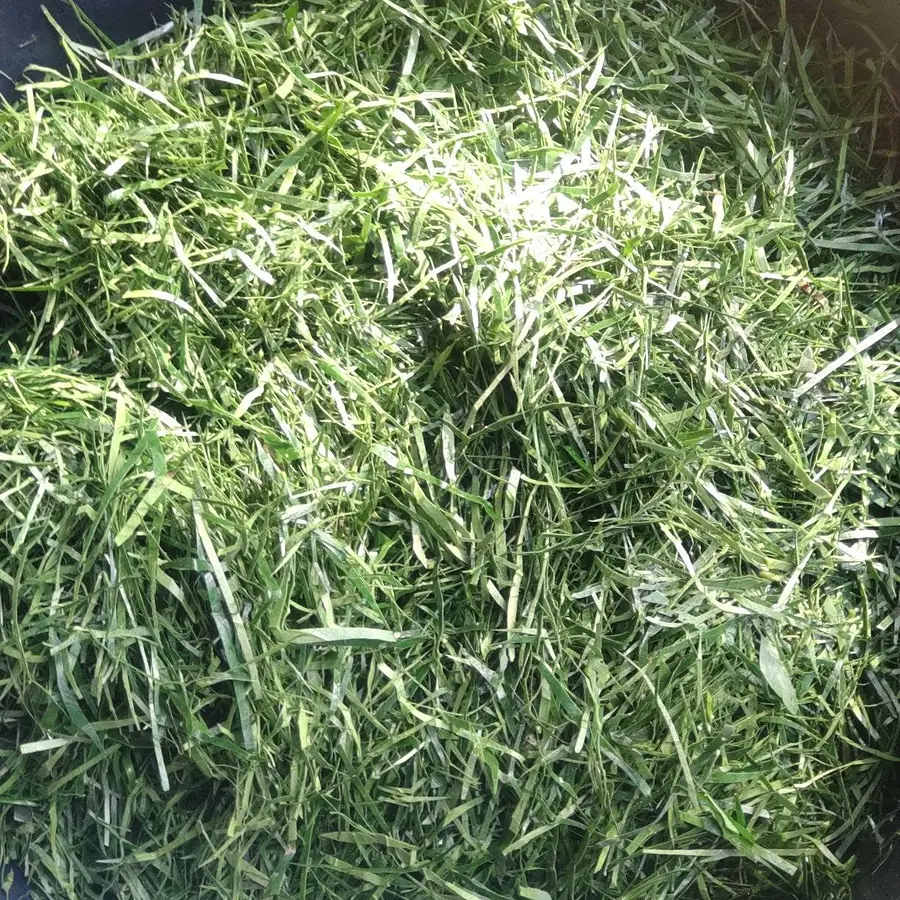
Dried lemongrass flavours infusions and hibiscus drink.
Dried corn is cooked with beans for corn chaff, or milled into flour.
Corn flour makes corn fufu, the base of many meals in the North-West, West and Adamawa.
Fermented corn paste (ogi, akamu, pap) is cooked into a breakfast porridge.
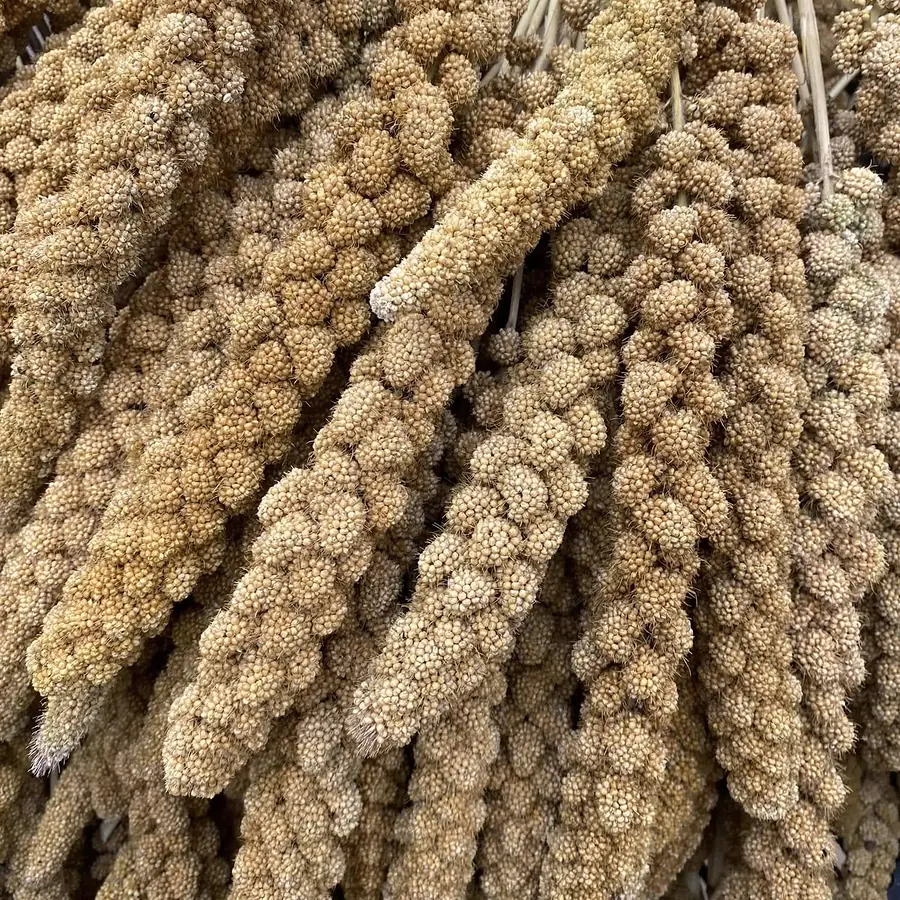
Millet is the grain of the far north. As flour, it makes millet fufu and spiced porridge.
Red sorghum is milled into flour for the sorghum fufu eaten with lalo and roselle sauce.
Fonio is a tiny ancient grain, naturally gluten-free, that cooks in minutes like couscous.
Ndop rice is grown on the plains of the North-West, a local rice valued for its taste.
Plantain flour, naturally gluten-free, makes plantain fufu or baked goods.
Yam flour (elubo) makes amala, a smooth brown swallow for soups.
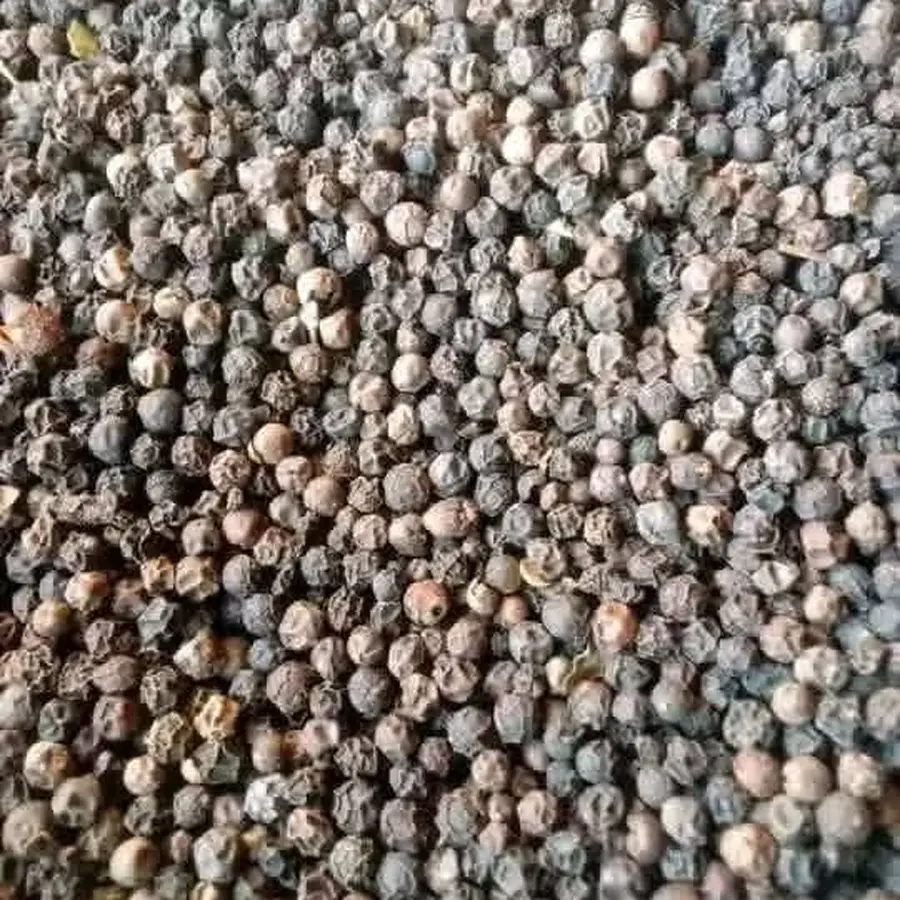
Penja black pepper, picked before ripening, is woodier and hotter than the white.
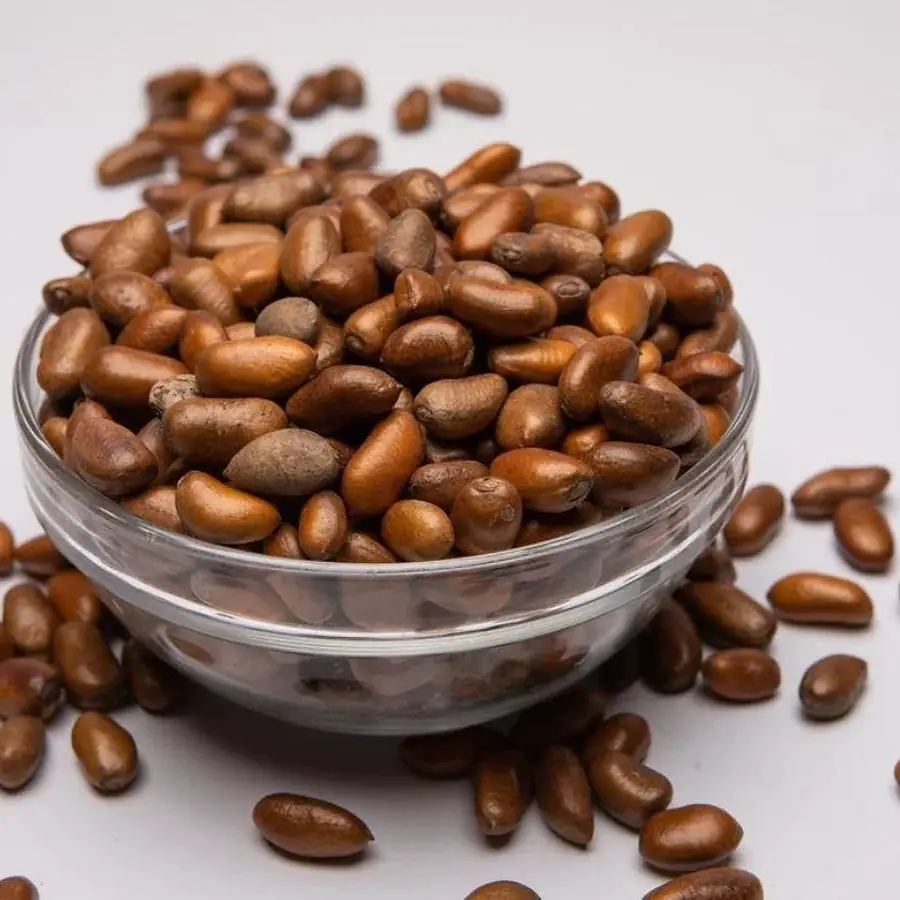
Njangsa seeds thicken and flavour sauces and fish marinades.
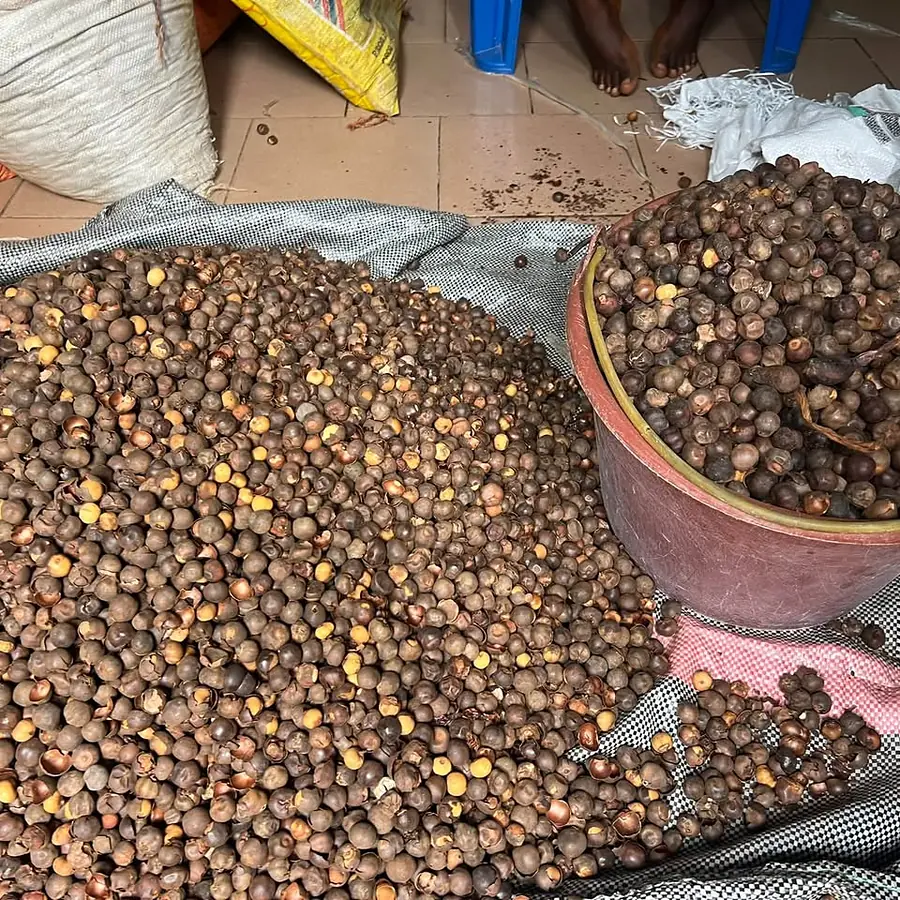
Calabash nutmeg has a warm, aniseed aroma. It goes into mbongo, pepper soup and kondrè.
Grains of Selim come as smoky, musky pods. Crushed, they flavour pepper soup.
Alligator pepper (grains of paradise) has a peppery, citrusy heat.
Prekese (Aidan fruit) is a fragrant pod that perfumes soups.
Country onion adds a garlic-and-onion taste to stews.
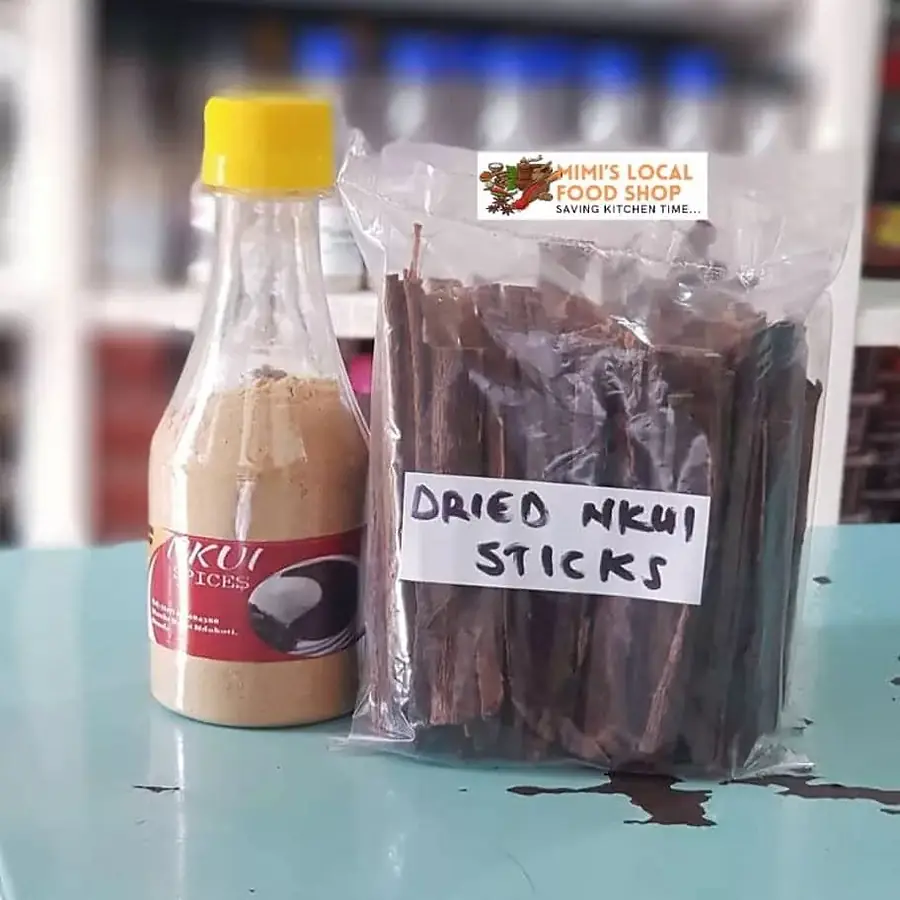
The nkui spice kit contains the barks and seeds, pre-measured, for nkui soup.
The achu (yellow soup) spice mix is measured for 6 people.
The pepper soup spice mix brings together the broth’s warming spices.
Dried chili, whole or ground, adds heat to every sauce.
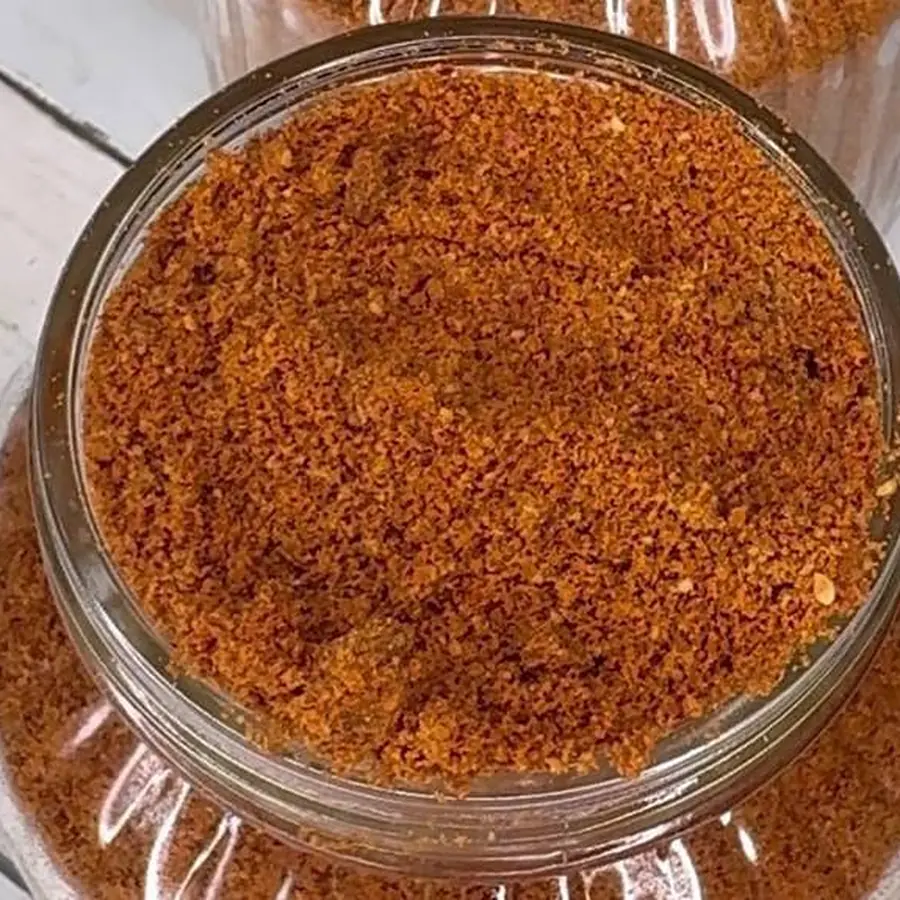
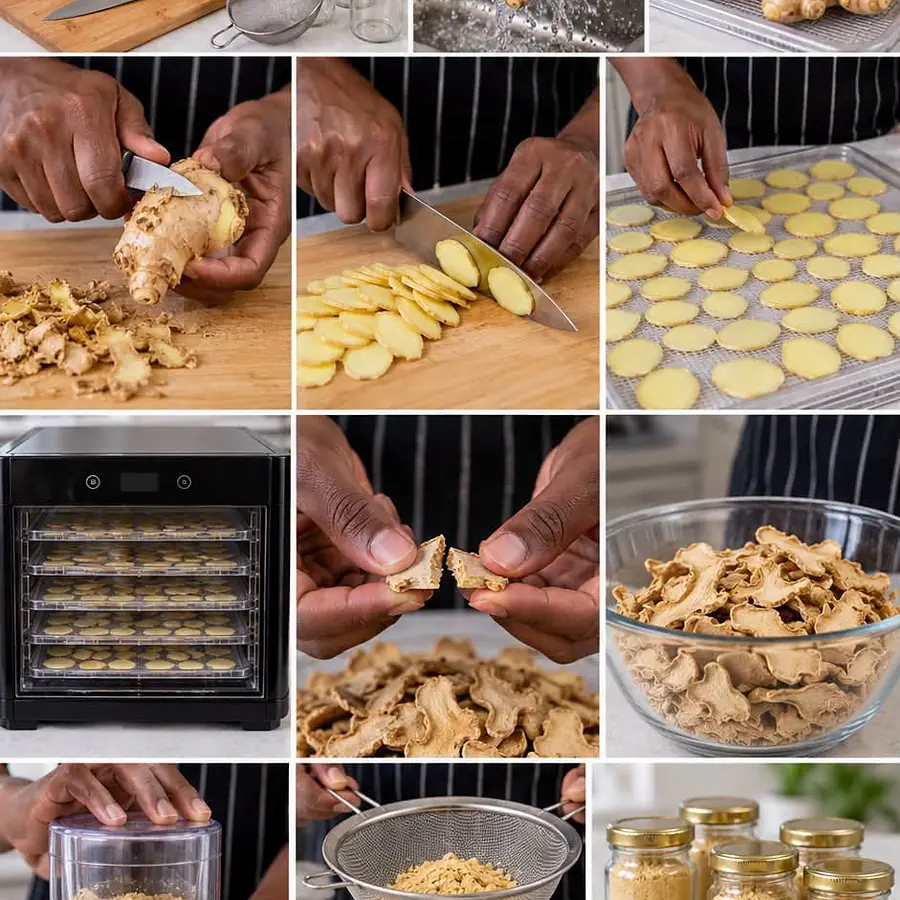
Ground dried ginger flavours porridge, hibiscus drink and marinades.
Soumbala (dawadawa) is a powerful condiment of fermented locust beans, typical of the North.
Potash (kanwa) makes okra sauces stretch and gives achu soup its yellow colour.
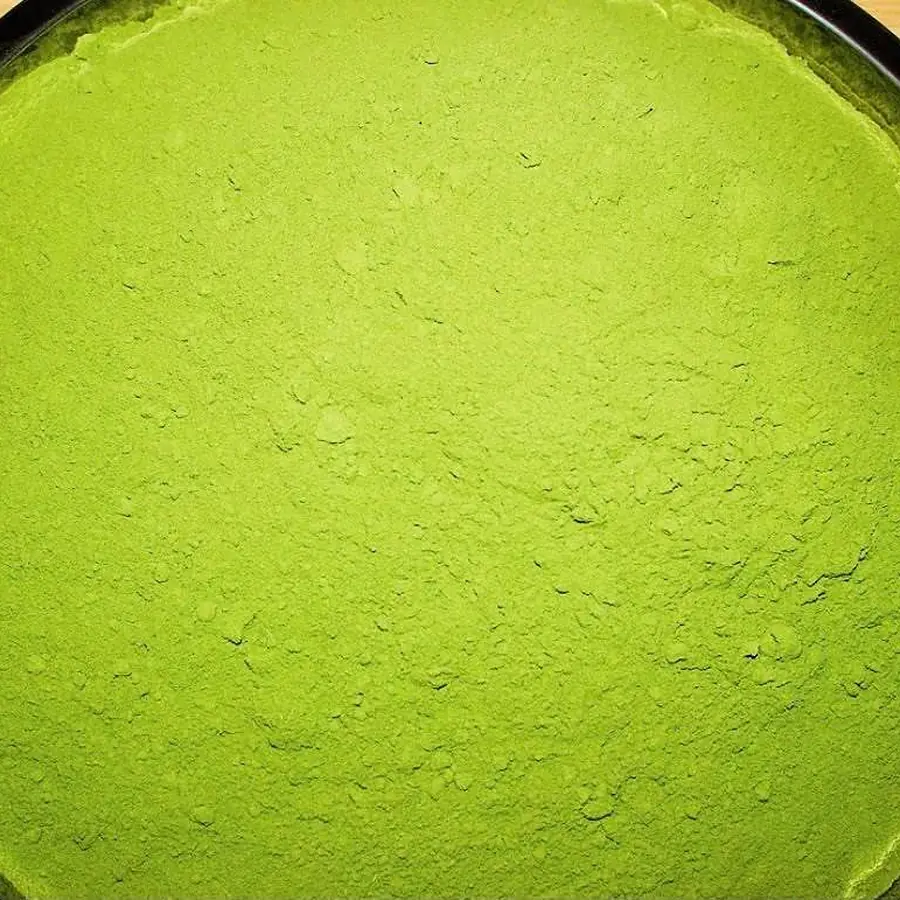
Baobab leaf powder makes the green, silky sauce of the Far North.
Moringa leaf powder is added to sauces, juices and smoothies.
Waterleaf brings the moisture and softness that eru needs.
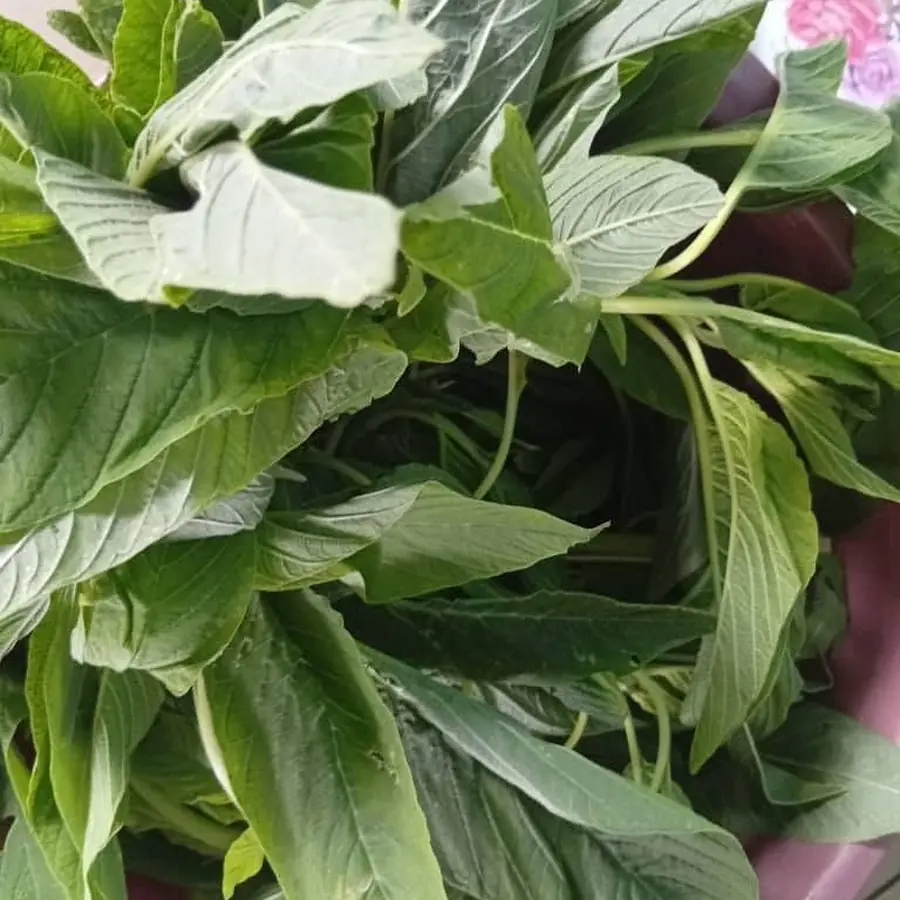
Folong (amaranth) is a tender leaf, cooked in sauces or sautéed.
Njama-njama (huckleberry leaves) is the North-West’s favourite green, sautéed with onions and tomatoes.
Zom leaves, loved in the Centre and South, go into sanga.
Kelen-kelen (jute leaves) makes the North’s slippery lalo sauce.
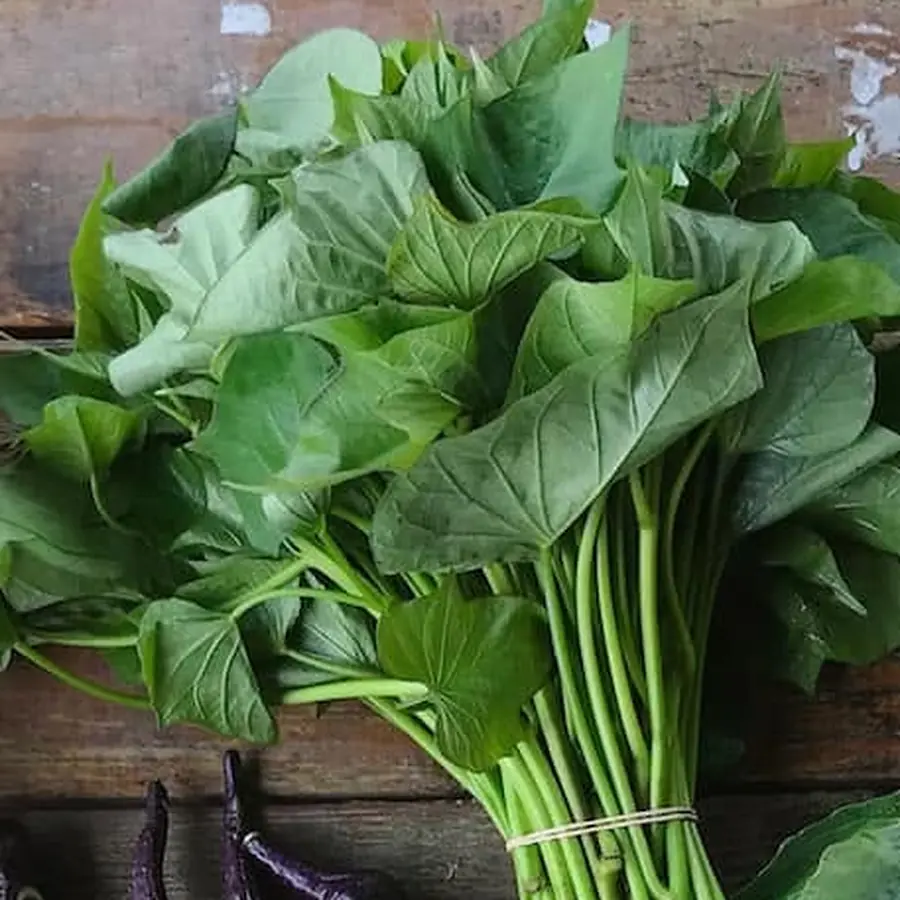
Sweet potato leaves are cooked in sauces, like spinach.
Ugu (fluted pumpkin leaves) is cooked in sauces and soups.
Roselle (sorrel) leaves make the North’s tangy sauce.
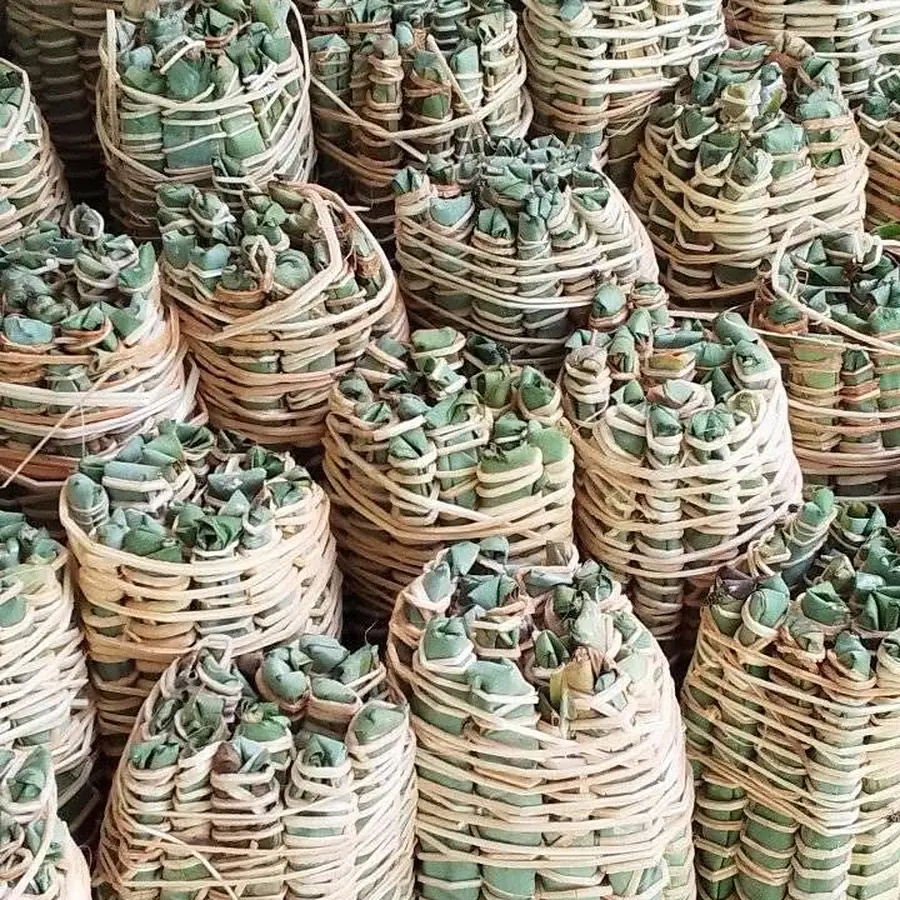
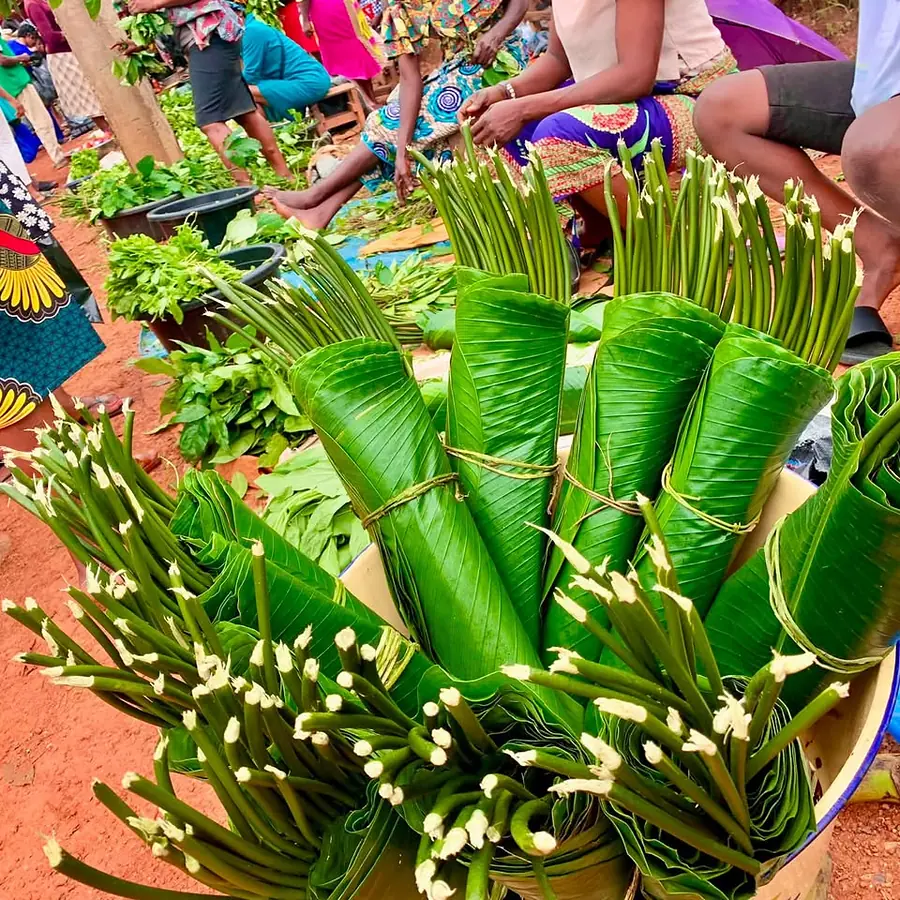
Wrapping leaves are used to steam koki, nnam ngon, ndomba and bobolo.
Shelled groundnuts are the base of groundnut sauce, ndolè and nnam owondo.
Ready-made groundnut paste thickens okok, groundnut sauces and roselle sauce.
Unshelled egusi is shelled by hand before grinding, for a fresher taste.
Red or white beans go into corn chaff, pilé de pommes and stews.
Peeled black-eyed peas are the key ingredient of koki.
Bambara groundnuts are cooked in stews or mashed.
Kola nut has a special place in Cameroonian culture: it is offered at weddings, bride-price ceremonies and visits as a sign of hospitality.
Bitter kola is chewed as it is and valued for its bitterness.
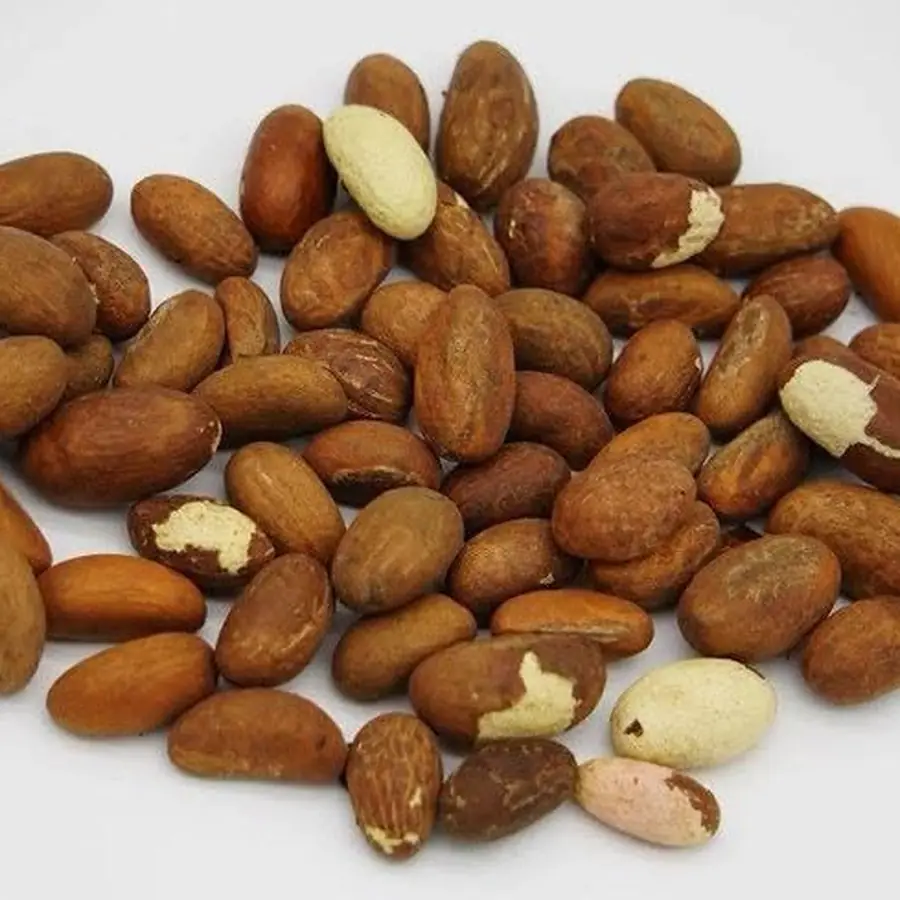
African walnut (coula) is eaten roasted or boiled in season, as a snack.
Fresh palm nuts give the red juice of banga soup and kpem.
Sesame seeds from the North are used roasted, as a paste or in sauces.
Desiccated coconut is used in cakes, coconut rice and sauces.
Palm kernel oil, pressed from the kernel, is dark and very fragrant.
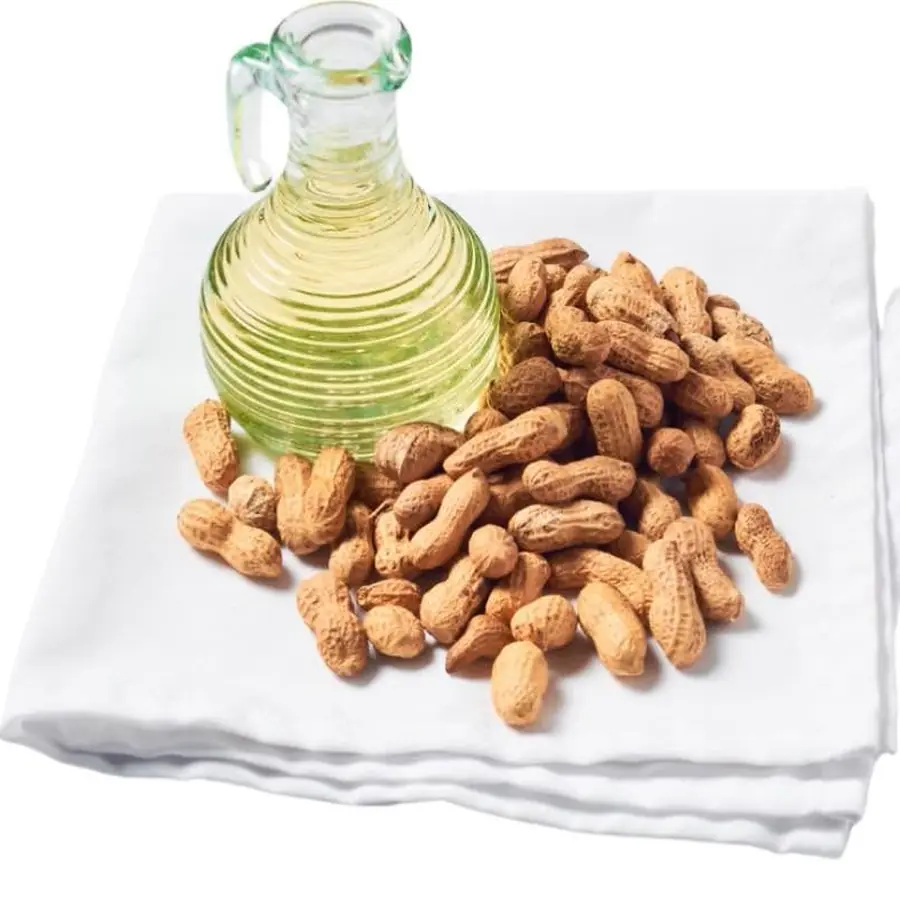
Artisanal groundnut oil has a pronounced peanut taste, ideal for frying.
Food-grade shea butter is used for cooking in the North.
Canned palm nut cream lets you make banga soup, kpem and sanga without pressing the nuts.
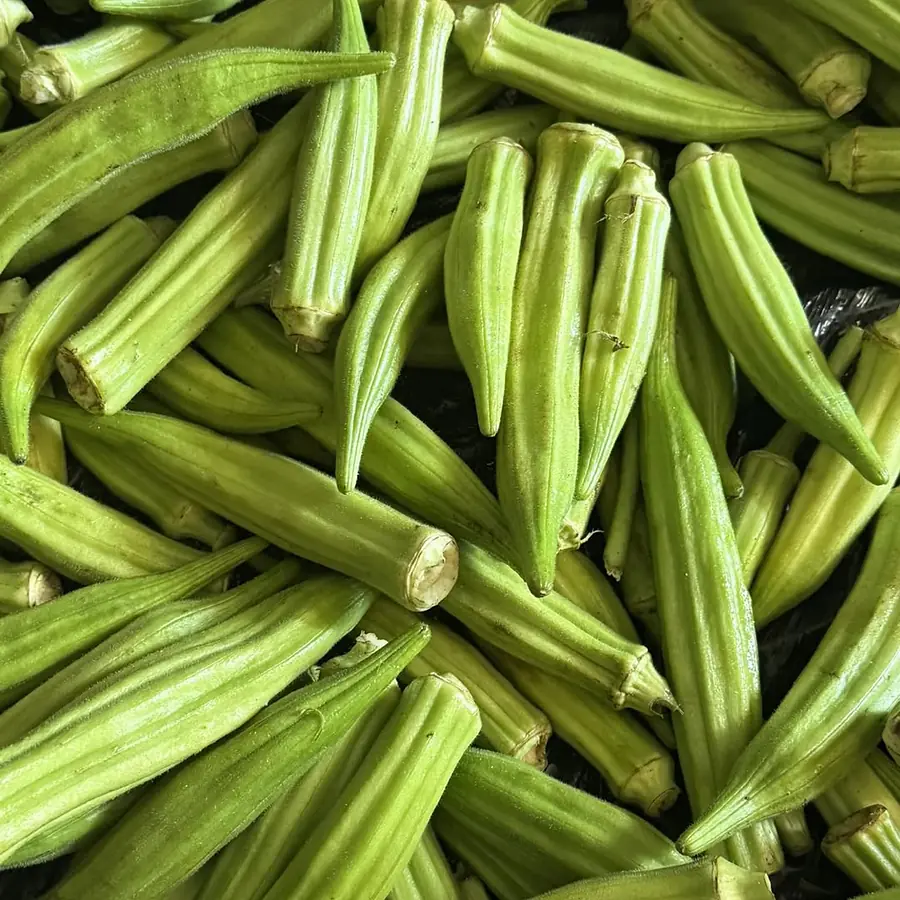
Dried or powdered okra lets you make okra soup all year round.
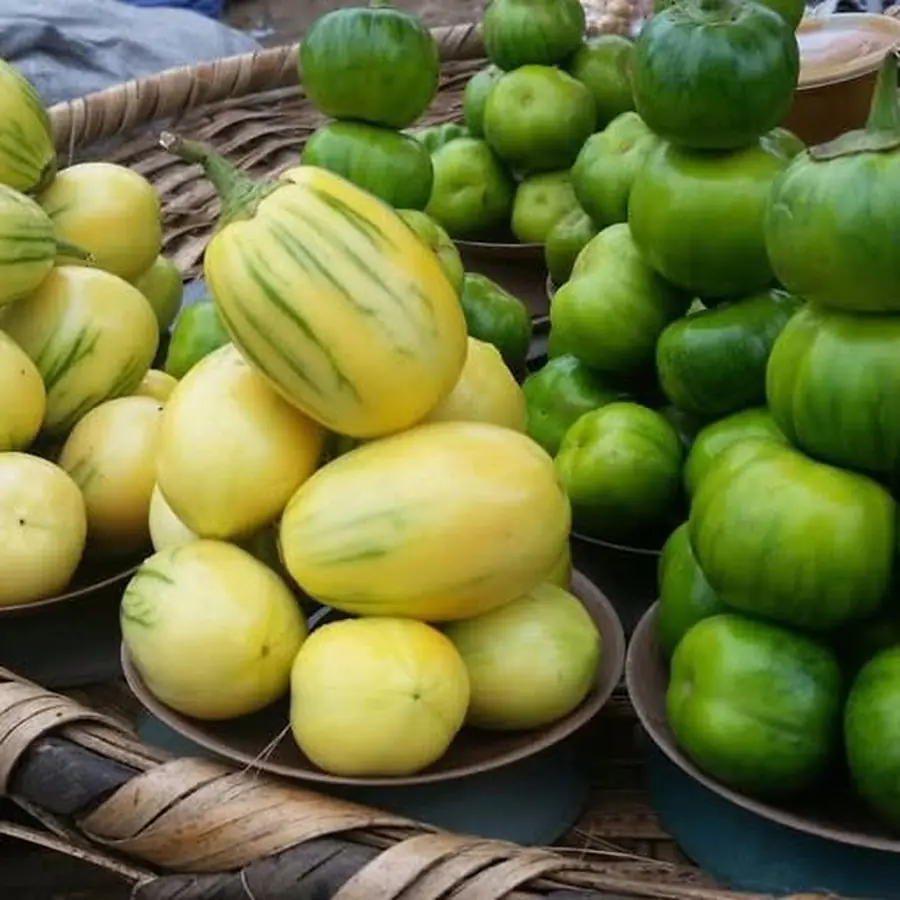
Garden egg (African eggplant) is eaten raw or cooked in sauces.
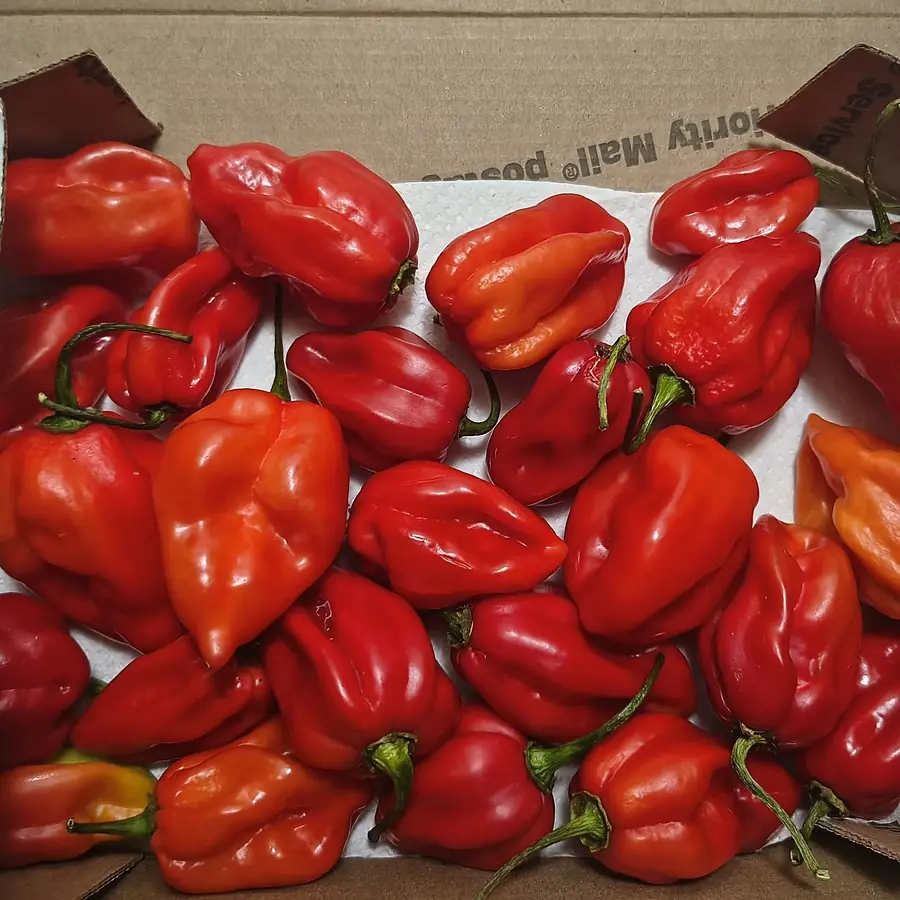
Fresh scotch-bonnet-type pepper is very fragrant and very hot.
Safou (African plum) is cooked for a few minutes in water or on embers until soft. A much-awaited seasonal fruit.
Fresh ginger flavours marinades, juices and porridges.
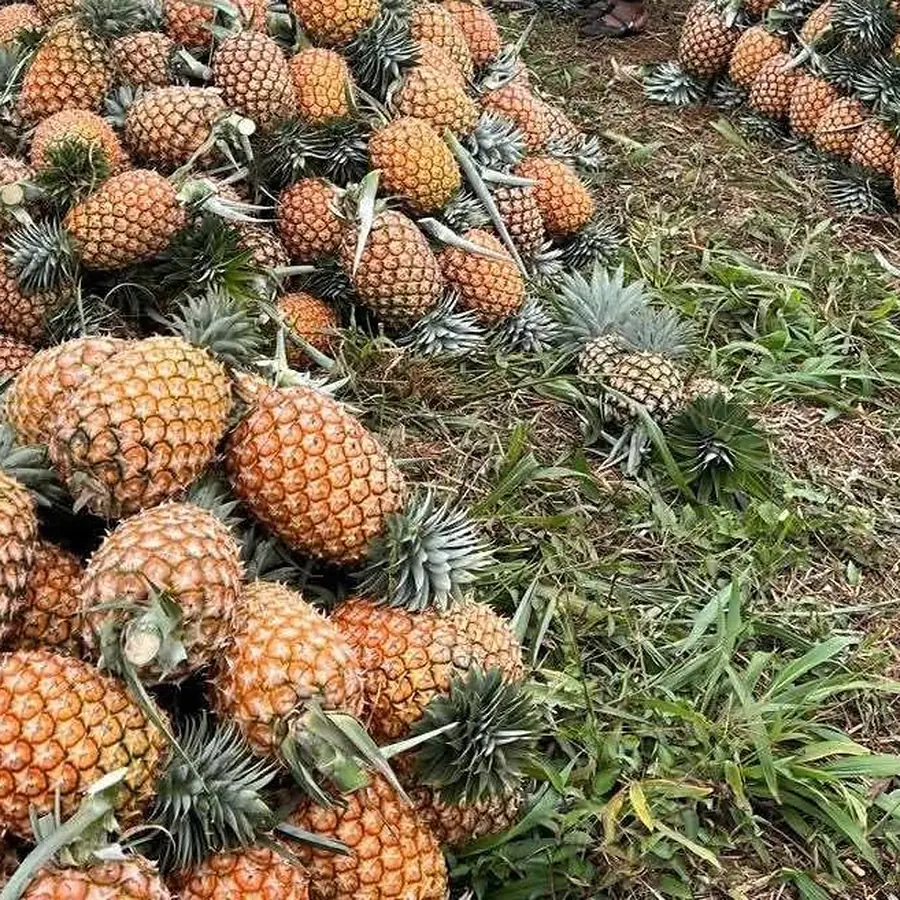
Dried pineapple is a snack or an addition to desserts.
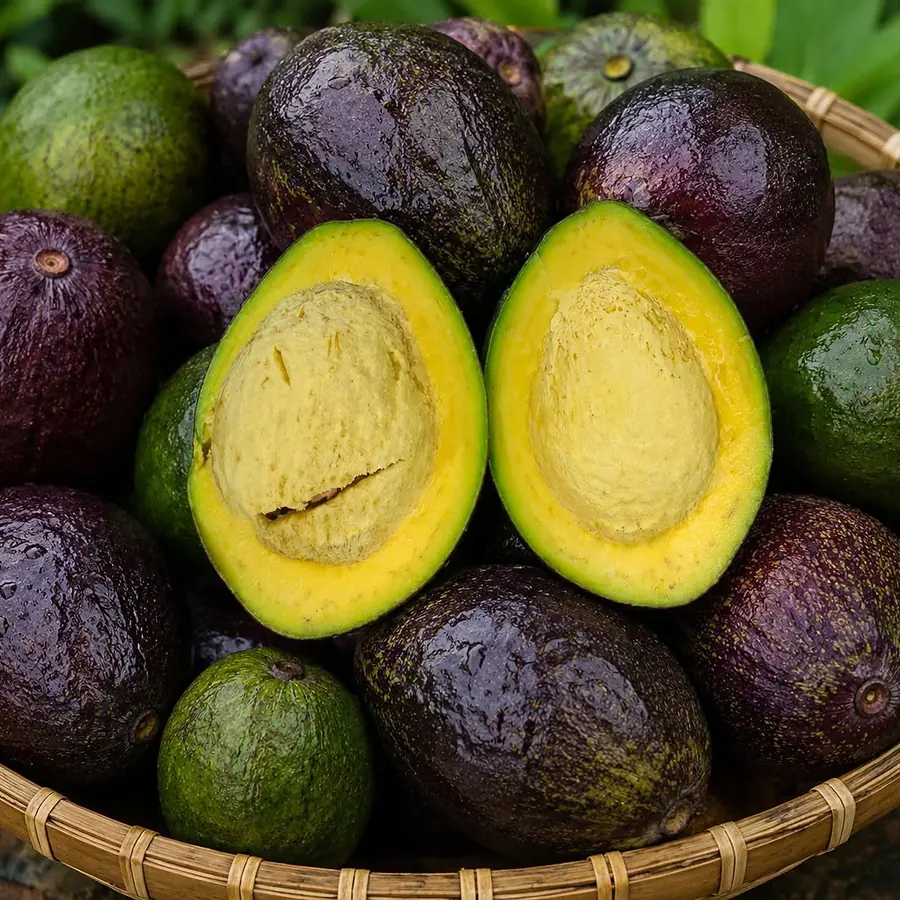
Avocado from the West goes with corn chaff and salads.
Cassava stick (bobolo) is fermented cassava dough cooked in leaves. It is reheated by steaming and served with okok, ogbono and groundnut sauces.
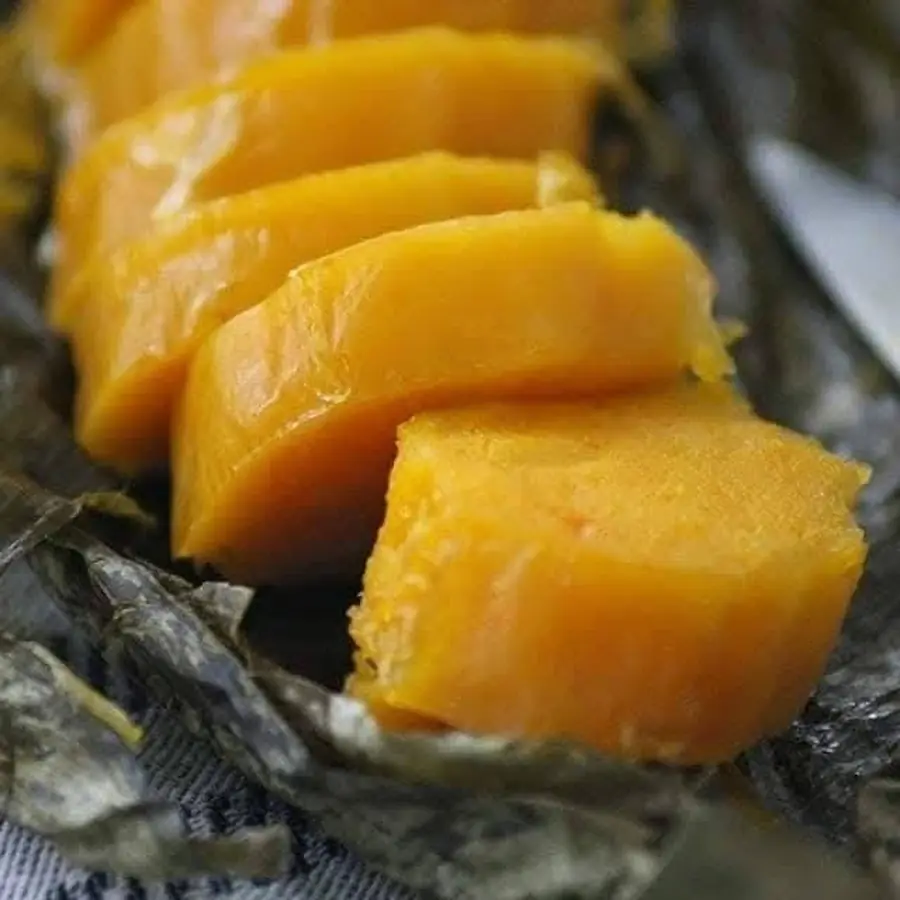
Mintoumba is a cassava loaf enriched with red palm oil and cooked in leaves, typical of the Littoral.
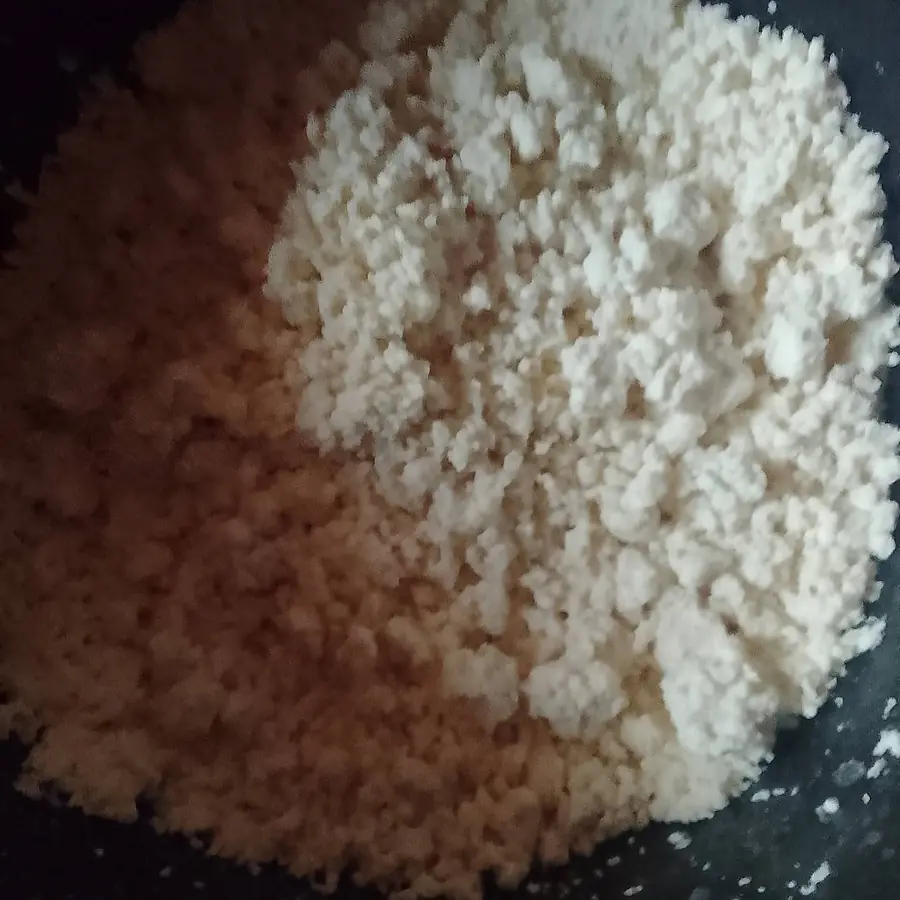
Gari is grated cassava, fermented and then toasted. It is eaten as a swallow (eba) with eru, or soaked in sweetened water.
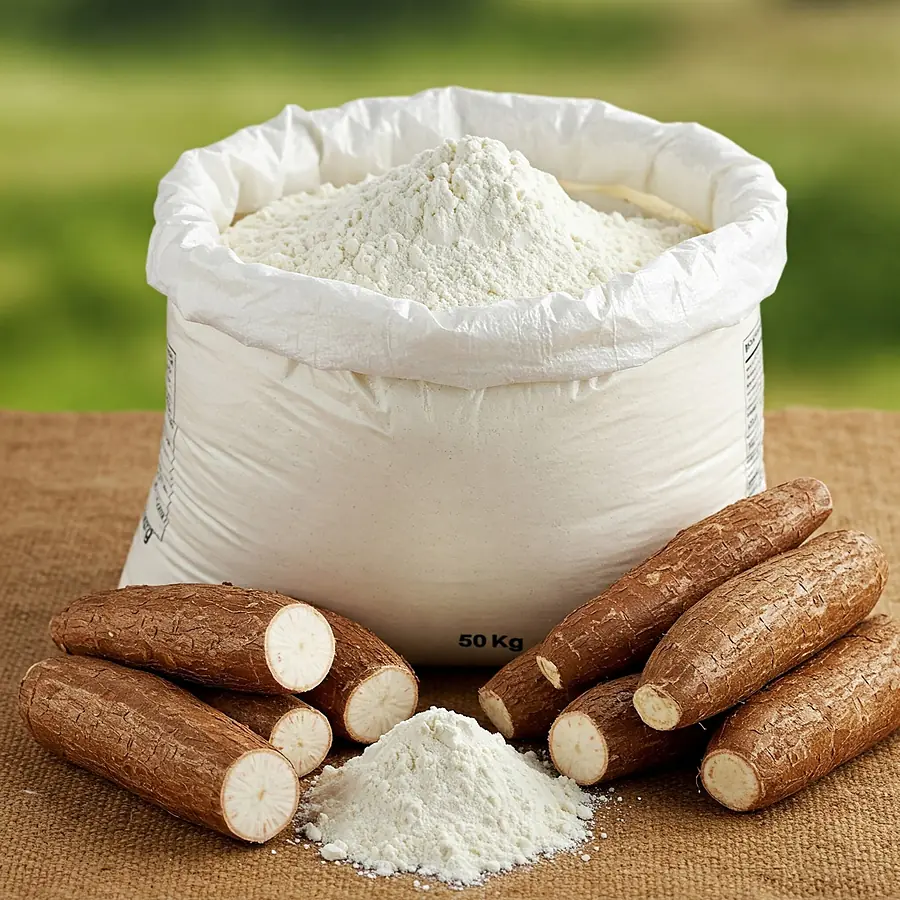
Cassava flour is used to make firm, smooth cassava fufu to go with slippery soups.
Water fufu is a fermented cassava dough with a slightly sour taste, essential with eru.
Dried cassava chips are pieces of dried cassava to grind into your own flour.
Cassava starch thickens sauces and desserts and is used for flatbreads.
Pounded cassava leaves are the base of kpem (kwem), also called saka-saka or pondu in Central Africa.
Dried shrimp (njanga) brings a savoury, sea taste to ndolè, ndjapche and nnam ngon.
Smoked fish (sea bass, carp) flavours eru, kpem and sauces.
Smoked catfish has firm flesh and is much loved in sauces.
Salted dried fish from Lake Chad is soaked before being cooked in sauces.
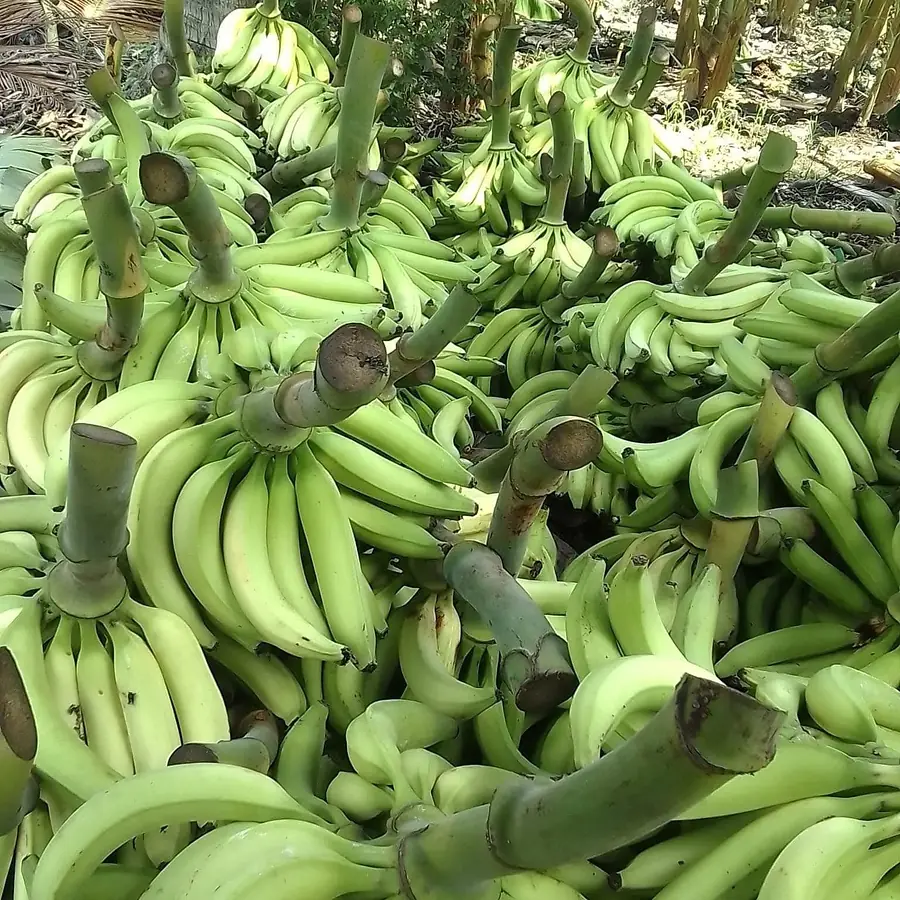
Green plantain is the most eaten staple in Cameroon. Boiled, fried as chips or simmered in kondrè, it goes with almost every dish.
Ripe plantain, with yellow skin spotted black, is sweet and soft. Fried, it is the classic side for ndolè and grilled fish.
Cooking banana has a firm, barely sweet flesh. It is boiled or cooked in stews.
Sweet banana, grown notably around Penja, is eaten fresh as a fruit.
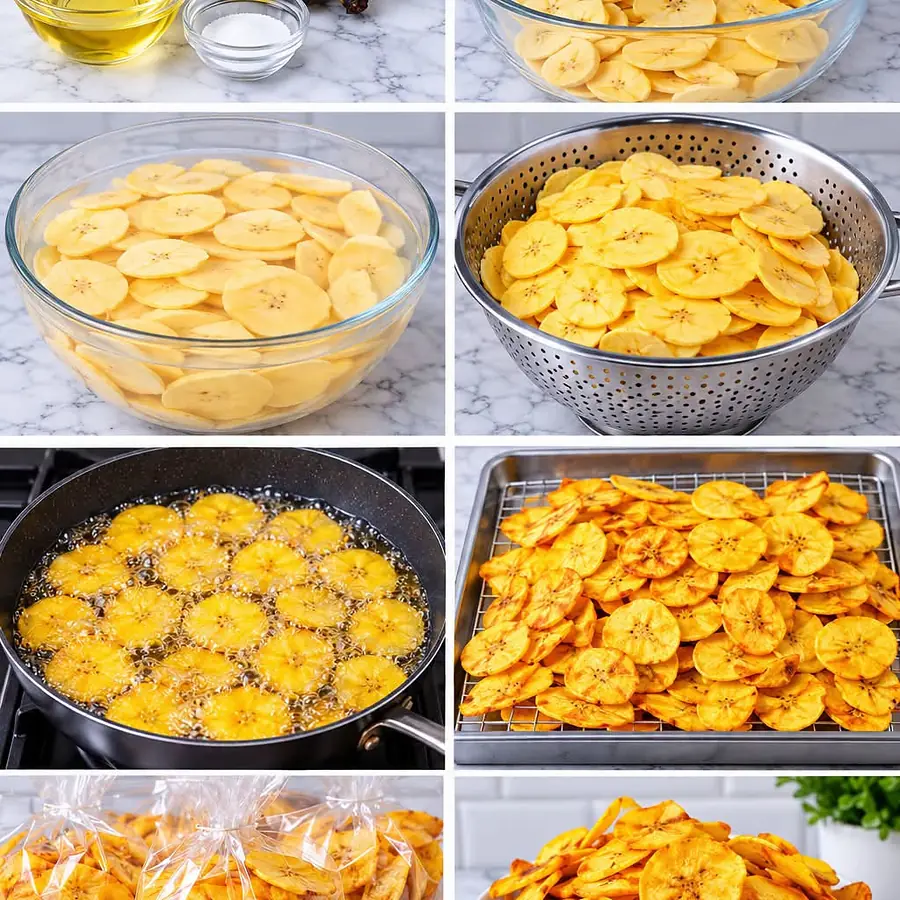
Plantain chips are Cameroon’s favourite snack, to nibble any time.
Roasted groundnuts are eaten as a snack, often with a banana.
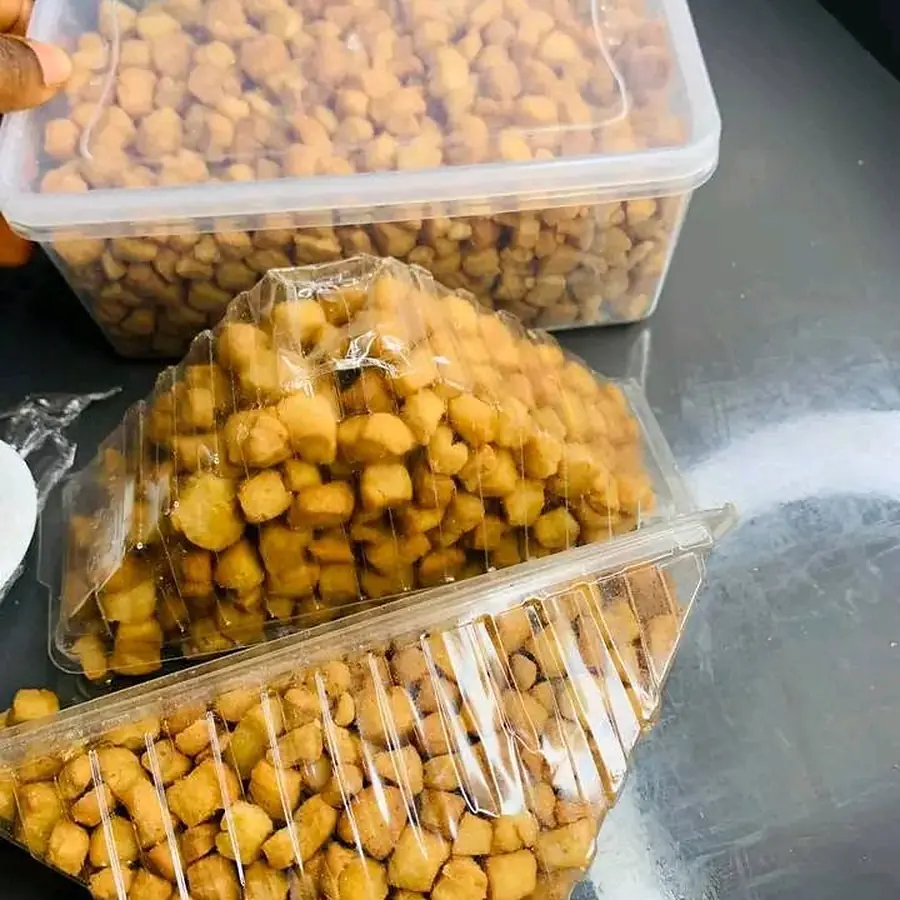
Chin chin is a small, crunchy fried biscuit, a must at parties.
The koki mix combines peeled black-eyed peas and spices: just add palm oil and water.
Frozen ready-made kwacoco is reheated by steaming for banga soup.
Ready-made frozen ndolè reheats in minutes.
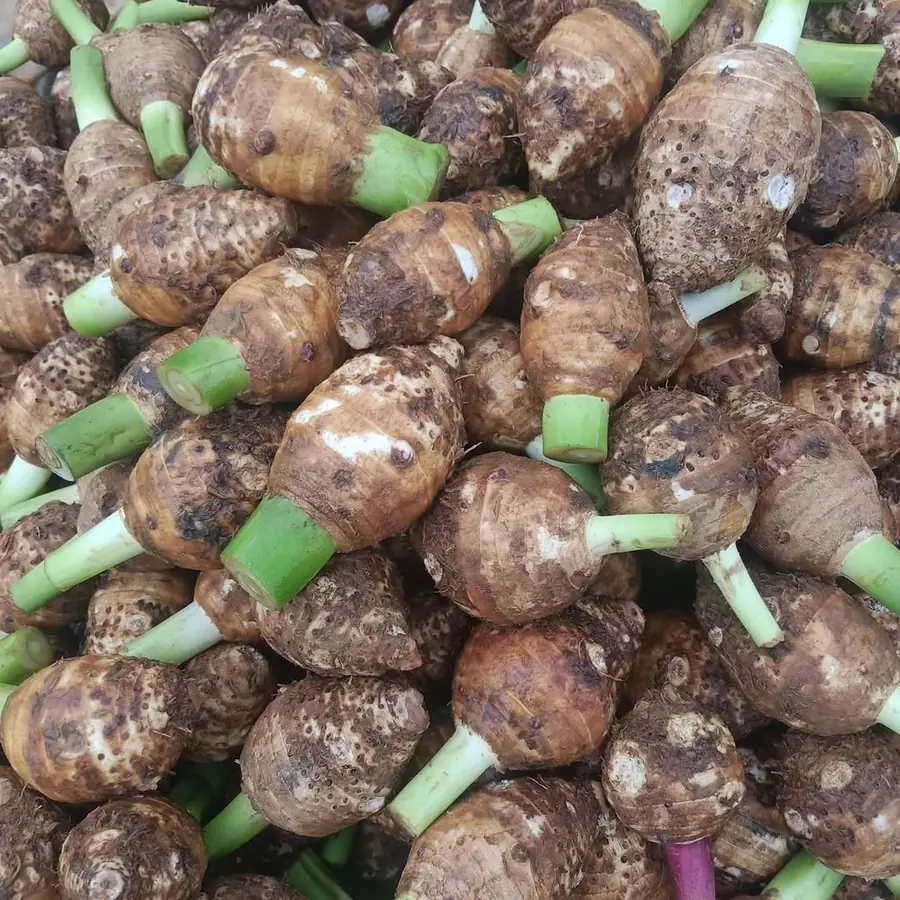
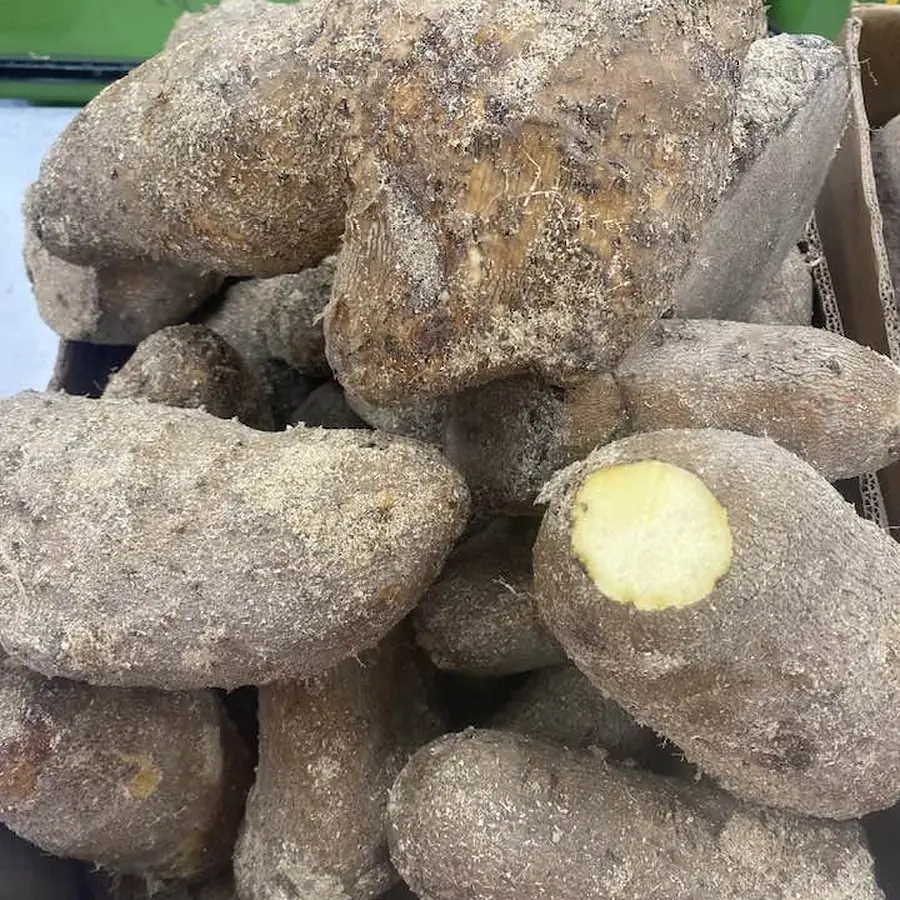
Cocoyam (new cocoyam) is a white-fleshed tuber, firmer than taro. Boiled, fried or grated, it is the base of kwacoco and cocoyam in sauce.
Taro (old cocoyam) has a grey, melting flesh and is essential for achu and pounded taro with yellow soup. Pounded, it turns into a smooth, elastic…
White yam keeps for several weeks. Boiled, fried or pounded, it goes with slippery soups and stews.
Yellow yam has a more coloured flesh and a stronger taste than white yam. It is cooked boiled or in stews.
Water yam is softer and moister than other yams. It is grated for dumplings or cooked in stews.
Fresh cassava, peeled and frozen, is boiled or steamed to go with sauces and grills. Freezing stops it spoiling within days.
Sweet potato, sweet and soft, is eaten boiled, fried or roasted. Its leaves are also cooked in sauces.
No articles match.